Engineered under Canadian cGMP standards, optimized for Japanese PMDA food supplement compliance, and customizable for Nagoya’s retail and DTC brands.
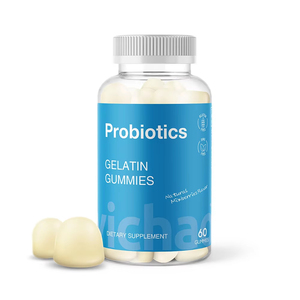
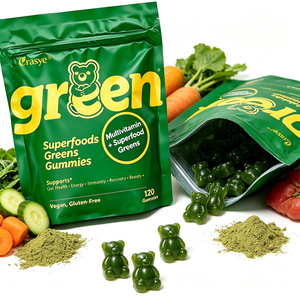
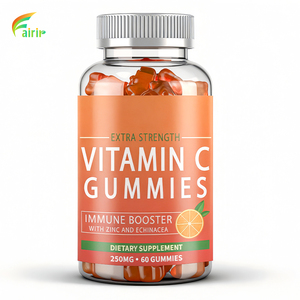
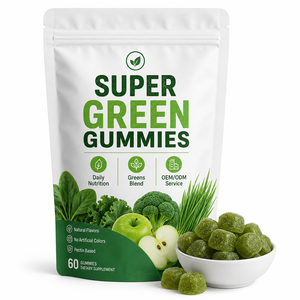
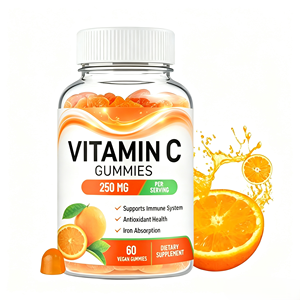
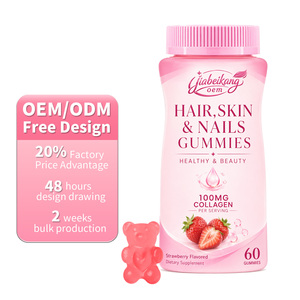
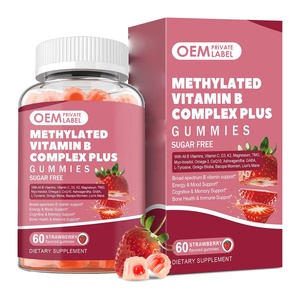
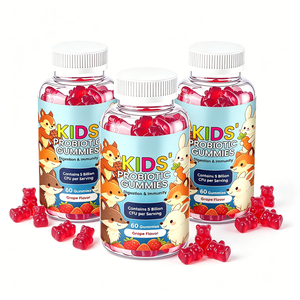
Nagoya and the broader Aichi Prefecture represent Japan’s industrial, automotive, and technological powerhouse. The fast-paced lifestyle of local corporate professionals, combined with heightened consumer awareness around wellness and digestive health, creates distinct market demands for specialized OEM detox supplements.
Nagoya’s vibrant commercial hubs—such as Meieki (Nagoya Station district) and Sakae—host a dense business dining (Nomikai) culture. Local brand owners frequently seek OEM partners to manufacture high-efficacy anti-hangover, liver protection, and metabolic clearance formulations. Combining methylated B-vitamins, TMG (Betaine Anhydrous), L-Cysteine, and botanical extracts like Curcumin (Ukon) and Milk Thistle in palatable pectin gummies provides a modern, convenient alternative to traditional liquid tonics.
Long working hours and urban stress among Aichi’s manufacturing and tech workforce place heavy strain on gastrointestinal health. Japanese consumers are exceptionally knowledgeable about microflora balancing. Formulating non-refrigerated, spore-forming Bacillus coagulans pectin gummies with prebiotic fibers offers Nagoya brands a highly stable gut-detox SKU that withstands hot, humid summers without losing potency across drugstore supply chains.
As Japan's premier manufacturing center, Nagoya has a population highly conscious of environmental pollutants and occupational oxidation stressors. Super Green formulations containing micro-filtered Spirulina, Organic Chlorella, and high-dose Vitamin C chewables fulfill consumer demand for daily heavy-metal binding, cellular detox, and systemic alkalinity maintenance.
The beauty and anti-aging sector in Nagoya demands products that work at the cellular level. Private label marine collagen gummies combined with L-Glutathione precursors and Vitamin C deliver a dual-action benefit: purging cellular metabolic waste while promoting collagen synthesis, making them top sellers across Japanese cross-border e-commerce platforms and local boutique pharmacies.
To win market share in Japan's competitive health and wellness retail environment, brand owners must align product development with shifting consumer preferences and stringent regulatory criteria.
Japanese consumers are increasingly turning away from traditional bovine/porcine gelatin due to dietary preferences and clean-label trends. Citrus pectin bases allow brands to claim 100% Vegan, non-GMO, and allergen-free status.
Modern detox formulations in Japan are moving beyond simple herbal powders toward clinically validated biochemical pathways. Incorporating methylated B-complex (5-MTHF) and TMG supports Phase I and Phase II liver detoxification enzymes directly.
Nutritional awareness among Nagoya parents has created demand for kid-friendly greens and multivitamins. Low-sugar, naturally flavored green apple veggie gummies remove the bitterness of traditional vegetable extracts for children.
With Japan's rigorous import inspection regimes enforced by Quarantine Stations under the Ministry of Health, Labour and Welfare (MHLW), raw materials must undergo strict ICP-MS testing for arsenic, lead, cadmium, and mercury prior to shipment.
Single-ingredient products are being replaced by multi-target complexes (e.g., combining Methylation B-complex with Ashwagandha, CoQ10, and Magnesium) that address both cellular detox and cortisol management simultaneously.
Refillable pouches, recyclable PET bottles, and localized Japanese label designs (with accurate Japanese panelling and compliant claim language) are essential for gaining shelf space in Nagoya retail networks.
Launching a successful dietary supplement brand in Japan requires absolute regulatory compliance, guaranteed batch-to-batch consistency, and superior organoleptic profiles. As a leading international Contract Development and Manufacturing Organization (CDMO) headquartered in Mississauga, Canada, we provide turnkey solutions tailored for global export.
Our manufacturing standard is built on Canadian Natural Health Products (NHP) cGMP regulations—universally recognized for stringent quality assurance, raw material validation, and cleanroom sanitation.
Facility registrations with the US FDA, ISO 22000, HACCP, and NSF ensure your custom formulations easily pass Japanese Customs and MHLW quarantine checks upon arrival at the Port of Nagoya.
Every raw material lot and finished product batch undergoes HPLC (potency testing), ICP-MS (heavy metals analysis), and GC-MS (microbiology and residual solvents) with full COAs issued per run.
Validate your target audience in Nagoya with manageable initial production runs starting from 5,000 bottles for gummies or 1,000 units for capsules, scaling smoothly to container-load volumes.
Our in-house regulatory affairs team prepares full ingredient breakdown declarations, Certificates of Free Sale (CFS), Certificates of Origin, and allergen non-cross-contamination statements for smooth import filing.
From custom mold design and flavor masking to climate-controlled freight forwarding straight to your Nagoya fulfillment center, we eliminate hand-off risks at every step of production.
Comprehensive answers regarding customs compliance, formulation adjustments, minimum orders, and shipping timelines for Japanese buyers and brand owners.
Japan classifies oral wellness products under strict non-pharmaceutical food supplement standards overseen by the Ministry of Health, Labour and Welfare (MHLW). Our regulatory specialists screen every ingredient against Japan's "List of Ingredients Exclusively Used as Pharmaceuticals" to ensure no banned substances (such as certain botanical extracts or excessive pharmaceutical-grade dosages) are present. We provide comprehensive ingredient concentration breakdown certificates needed for Japanese Customs clearance at the Port of Nagoya or Chubu Centrair Airport.
Our MOQs are structured to help both emerging DTC brands and established retail distributors scale efficiently:
Yes. Nagoya experiences high ambient temperatures and humidity during summer months (June through September). We utilize high-methoxyl citrus pectin gelling technology engineered with a melting point above 85°C (185°F), significantly higher than traditional animal gelatin (which softens around 35°C). Additionally, we utilize climate-controlled container shipping (Reefer options) and moisture-barrier induction seals to guarantee perfection upon delivery.
For existing stock formulations with customized private label artwork, lead time is approximately 6 to 8 weeks. For fully custom R&D formulations—including custom flavor development, pilot batch validation, and analytical stability testing—the process takes 8 to 12 weeks. Air freight from Canada/North America to Chubu Centrair (NGO) takes 3–5 days, while ocean freight directly to the Port of Nagoya typically takes 18–24 days.
We work closely with your local design team or agency to ensure all packaging artwork meets Japanese Consumer Affairs Agency (CAA) labeling guidelines. This includes translating Nutrition/Supplement Facts panels into Japanese format, managing ingredient ordering by weight ratio, and ensuring structure-function statements do not cross into medical claim violations.
Every single batch undergoes rigorous three-stage testing: Raw Material Receipt, In-Process Quality Checks, and Finished Product Release. We employ High-Performance Liquid Chromatography (HPLC) for active ingredient potency, Inductively Coupled Plasma Mass Spectrometry (ICP-MS) for micro-level heavy metals testing, and full microbiological screens (E. coli, Salmonella, Yeast & Mold). Every shipment is accompanied by an official Certificate of Analysis (COA) issued by an accredited third-party ISO 17025 testing facility.
Partner with a trusted, GMP-certified international CDMO. Contact our technical R&D and formulation specialists today to request samples, bulk pricing, and custom formulation guidance.
