
Whitepaper: Engineering Standard & Supply Dynamics for Bulk Softgel Exporting in the United States
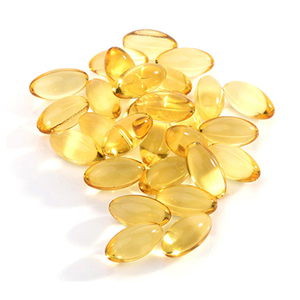
The global dietary supplement market is experiencing a profound structural shift toward high-bioavailability oral delivery formats. Among all dosage forms—including traditional compressed tablets, hard gelatin capsules, and functional gummies—soft gelatin capsules (softgels) remain the undisputed gold standard for delivering hydrophobic active pharmaceutical ingredients (APIs), botanical lipid extracts, fat-soluble vitamins, and high-potency Omega-3 fatty acids. For brand owners, pharmaceutical distributors, and institutional importers sourcing from or within the United States, selecting a certified bulk softgel manufacturer and exporter requires an intimate understanding of encapsulation physics, lipid solubilization mechanics, regulatory compliance, and cross-border supply chain logistics.
As a premier Contract Development and Manufacturing Organization (CDMO), our operational architecture bridges state-of-the-art Canadian and U.S. manufacturing assets with audited global raw material networks across North America, Europe, and Asia. Operating strictly under US FDA 21 CFR Part 111 cGMP regulations, Health Canada NHP Site Licences, and international ISO 22000 / HACCP quality frameworks, our facilities execute high-precision softgel production designed to satisfy both the stringent regulatory mandates of Western health authorities and the commercial volume requirements of global consumer markets.
Information Gain: Why Liquid-Filled Softgel Technology Outperforms Powder Delivery Formats
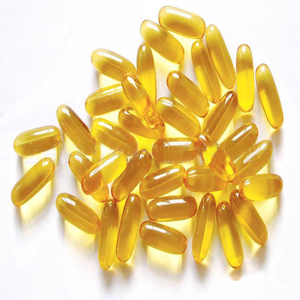
Softgel encapsulation protects sensitive lipid payloads from oxidative degradation through an airtight seal. Unlike porous hard capsules or moisture-laden tablets, softgels provide a completely hermetic environment. When formulated using Self-Emulsifying Drug Delivery Systems (SEDDS) or micro-emulsions, softgels demonstrate up to 400% higher systemic bio-absorption for lipophilic compounds such as CoQ10, Curcumin, Astaxanthin, and Vitamin D3/K2.
Rotary Die Softgel Encapsulation Mechanics & Technical Execution
At the core of our manufacturing capabilities is the advanced Rotary Die Encapsulation Process. Operating inside climate-controlled Class 100,000 (ISO 8) cleanrooms maintained at rigid relative humidity (RH 18-22%) and temperature (20-22°C) parameters, our automated lines seamlessly transform liquid fill matrices and gelatin masses into perfectly sealed, uniform softgel capsules.
Precision Fill Dosing
Positive displacement metering pumps inject liquid payloads with a volumetric tolerance of ±1%. Whether handling low-viscosity MCT oil suspensions or high-viscosity botanical pastes, fill weight integrity is validated in real time using automated analytical checkweighers.
Advanced Ribbon Casting
Continuous ribbons of gelatin or plant-based polymer matrix are cast onto high-precision cooling drums with micron-level thickness control (typically 0.028 to 0.035 inches), preventing structural wall weakness and minimizing seam failure risks.
Tumble & Tunnel Drying
Encapsulated softgels undergo initial rapid tumble drying followed by multi-stage drying tunnels with controlled air velocity. This process systematically removes shell moisture down to an optimal equilibrium level of 6-8%, ensuring long-term shell elasticity without brittleness.
Shell Matrix Engineering: Animal Gelatin vs. Next-Generation Plant-Based Polymers
Selecting the appropriate shell matrix is a critical formulation decision that impacts target consumer alignment, global regulatory approval, and physical stability. We offer both classic animal-derived gelatins and state-of-the-art non-GMO vegetarian softgel platforms:
| Parameter | Bovine / Porcine Gelatin | Fish Gelatin (Pescatarian) | Plant-Based Vegan Matrix |
|---|---|---|---|
| Base Polymer | Pharmaceutical Grade Type A/B Gelatin | Cold-Water Fish Skin Gelatin | Modified Tapioca Starch & Carrageenan |
| Bloom Strength | 150 - 200 Bloom | 180 - 220 Bloom | Non-Bloom Thermoreversible Hydrocolloid |
| Thermal Stability | Standard (Melts at >37°C) | Standard (Melts at >35°C) | High Thermal Stability (Resists up to 55°C) |
| Reflux Prevention | Requires Enteric Coating | Requires Enteric Coating | Inherently Odorless & Reflux Neutral |
| Certifications | Halal / Kosher Available | Kosher / Halal Certified | 100% Vegan, Non-GMO, Organic Compliant |
Analytical Quality Assurance & FDA/cGMP Compliance Framework
Product integrity and safety form the baseline of our manufacturing culture. Every production run of bulk softgels undergoes exhaustive analytical testing across three distinct stages: Raw Material Receipt, In-Process Control (IPC), and Finished Product Testing. Our in-house quality control laboratories utilize high-precision analytical instrumentation to deliver comprehensive Certificates of Analysis (COA):
- HPLC (High-Performance Liquid Chromatography): Verifies potency, active quantification, and degradation profiles for fat-soluble vitamins (A, D3, E, K2), carotenoids (Astaxanthin, Lutein), and active coenzymes (CoQ10).
- ICP-MS (Inductively Coupled Plasma Mass Spectrometry): Detects ultra-trace heavy metals (Lead, Arsenic, Cadmium, Mercury) down to parts-per-billion (ppb) limits, meeting California Proposition 65 and USP <2232> standard compliance.
- Gas Chromatography (GC-FID / GC-MS): Measures fatty acid profiles (EPA, DHA, DPA, Omega-6/7/9 ratios) and ensures residual solvents fall far below ICH Q3C limits.
- Oxidative Quality Metrics (TOTOX): Monitors Peroxide Value (PV) and Anisidine Value (AV) to guarantee oil freshness and zero rancidity in marine and botanical lipid products.
- Microbiological Assays (USP <2021> / <2022>): Rigorously screens for Total Aerobic Microbial Count (TAMC), Total Yeast & Mold Count (TYMC), E. coli, Salmonella spp., and Staphylococcus aureus.