OEM/ODM commercial formulations produced under GMP, Health Canada, and US FDA registered facilities. Custom shapes, pectin matrices, and clean-label active profiles.
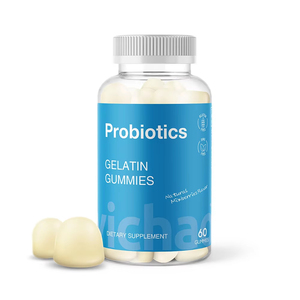
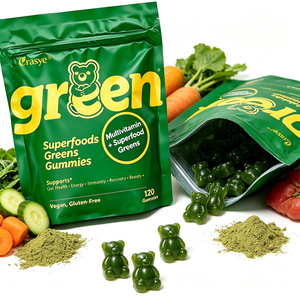
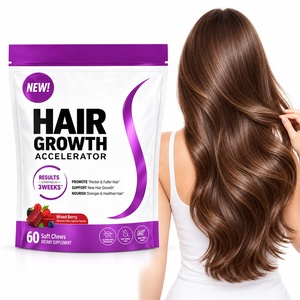
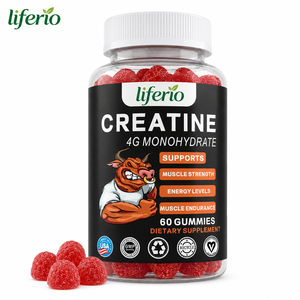
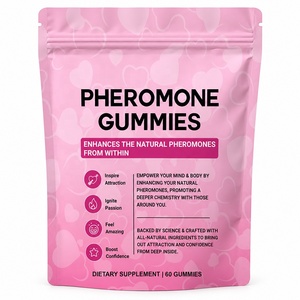
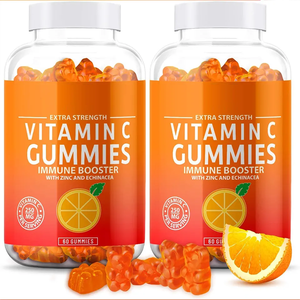
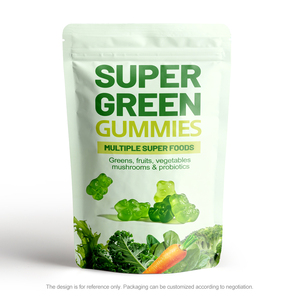
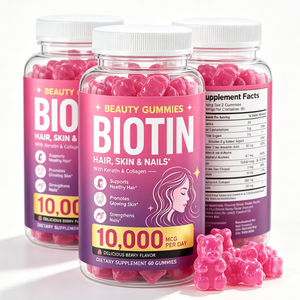
The global dietary supplement landscape is experiencing a structural migration away from traditional solid dosage forms (tablets and hard-shell capsules) toward chewable functional matrices. Historically viewed as a novelty consumer product, gummy vitamin manufacturing has transitioned into a highly sophisticated pharmaceutical discipline requiring precise thermal management, moisture activity (ΔaW) control, and active ingredient overage engineering.
According to clinical compliance studies, pill fatigue affects up to 40% of adult supplement consumers. Gummy delivery systems overcome compliance barriers by offering enhanced organoleptic appeal, superior mastication profiles, and rapid gastric disintegration. However, for contract development and manufacturing organizations (CDMOs), formulating gummies introduces distinct bio-chemical challenges: protecting heat-labile actives (such as Vitamin C, B-complex, and live probiotic cultures) during high-temperature cooking phases (105°C to 115°C) while maintaining physical elasticity and preventing moisture migration during shelf storage.
Selecting the optimal gelling hydrocolloid matrix is foundational to product stability, mouthfeel, thermal tolerance, and market targeting (e.g., Vegan, Kosher, Halal, Non-GMO). Below is an engineering comparison of the primary industrial gelling agents used across our facilities:
| Technical Parameter | Citrus/Apple Pectin | Bovine/Porcine Gelatin | Agar-Agar / Carrageenan | Tapioca Starch Hybrid |
|---|---|---|---|---|
| Yes (100% Fruit Derived) | No (Animal Derived) | Yes (Seaweed Derived) | Yes (Root Derived) | |
| High (75°C - 85°C) | Low (30°C - 35°C) | Medium (40°C - 50°C) | High (80°C - 90°C) | |
| High (> 85°C) - Tropical Stable | Low (< 40°C) - Prone to Melting | Very High (> 90°C) | High (> 80°C) | |
| Narrow (pH 3.2 - 3.6) | Broad (pH 4.0 - 7.0) | Broad (pH 4.5 - 8.5) | Medium (pH 3.8 - 5.5) | |
| Clean Break, Soft Chew | Elastic, Rubber-Like Bounce | Firm, Brittle Fracture | Chewy, Paste-Like Density | |
| Excellent (Maltitol/Allulose) | Good (Sorbitol Blend) | Moderate (Requires Polyols) | Limited (Requires Sugars) |
As demonstrated in the technical analysis, Pectin-based gelling matrices represent the gold standard for international B2B brands. Pectin's high melting point eliminates container clumping during maritime freight through tropical climate zones, while its narrow pH tolerance provides natural preservation characteristics against bacterial proliferation when water activity (ΔaW) is maintained below 0.62.
Navigating global regulatory shifts, supply chain resilience, and changing consumer expectations requires forward-looking technical procurement strategies.
Global retailers are enforcing strict sugar content limits. Future-proof brands are shifting to Isomalt, Erythritol, and Allulose matrices combined with Soluble Corn Fiber to maintain bulk density without spiking blood glucose levels or triggering digestive distress.
Standard probiotic strains (e.g., Lactobacillus) perish under high heat during gummy deposition. Sourcing emphasis has shifted entirely to spore-forming species like Bacillus coagulans and microencapsulated botanicals that survive cooking temperatures up to 110°C.
Traditional starch-mogul systems present significant cross-contamination risks due to airborne starch dust and allergen retention. Leading B2B buyers now mandate Starchless Servo-Driven Oil-Coated Aluminum Molds for pharmaceutical-level hygiene and precise weight uniformity (+/- 1.5%).
Contract manufacturing has evolved beyond simple single-color gummy bears. Advanced CDMO facilities now leverage specialized equipment to manufacture multi-layered, dual-core, and targeted release chewable supplements.
By implementing real-time inline refractometers and automated spectral colorimeters, state-of-the-art factories eliminate human error during Brix adjustment (typically target 78°–82° Brix prior to depositing), guaranteeing batch-to-batch consistency for global brand owners.
From custom formulation and raw material qualification to finished goods regulatory clearing and export shipping across 40+ countries.
Operated under Health Canada Site Licences, US FDA Facility Registration, cGMP, NSF, ISO 22000, HACCP, Halal, and Kosher certifications. Full support for NPN filings and Supplement Facts validation.
Every lot is subjected to HPLC active assay verification, ICP-MS heavy metals screening (Pb, As, Cd, Hg), microbiological limits testing (USP <2021/2022>), and accelerated stability testing.
Low pilot-run minimum order quantities starting from 5,000 bottles (or bulk 100,000 gummies) up to full-scale multi-container commercial export batches, allowing rapid market-testing before scaling.
Complete primary and secondary packaging capabilities: PET/HDPE bottles, child-resistant caps, induction seal liners, aluminium blister packs, unit-dose sachets, and shelf-ready displays.
Answers to common technical, operational, and regulatory questions asked by brand procurement managers.
Our standard production MOQs start at 5,000 finished retail bottles (typically 60 gummies per bottle) or 100,000 gummies in bulk packaging. For pilot formulations or market validation testing, lower volumes can be arranged under specific R&D trial agreements.
Private label stock formulations with existing packaging specifications typically ship within 4 to 6 weeks. Fully custom R&D formulations—including active raw material sourcing, flavor matching, pilot stability batching, and custom label compliance reviews—require 8 to 12 weeks from artwork approval.
We utilize heat-resistant, spore-forming bacterial strains such as Bacillus coagulans or microencapsulated probiotic variants. Active strain counts are fortified with calculated overages and deposited at controlled temperatures, backed by HPLC and plate count microbiological testing.
Yes. We formulate sugar-free matrices utilizing citrus pectin combined with Maltitol, Isomalt, or Allulose syrup solids. Pectin matrices maintain thermal integrity at temperatures exceeding 85°C, ensuring gummies do not melt or clump during ocean container shipping through warm regions.
Every shipment is accompanied by a batch-specific Certificate of Analysis (COA), Certificate of Manufacture, Finished Good Specification Sheet, Master Batch Record export copy, MSDS, Allergen Statement, and Free Sale Certificate (FSC) for international customs clearance.
Custom formulations developed specifically for your brand under a paid R&D agreement remain 100% your proprietary intellectual property. Proprietary rights are clearly assigned in our standard B2B Contract Development Agreement protected under mutual non-disclosure (NDA).
Speak directly with our senior formulation engineers and export procurement specialists. Receive custom quotation models, sample kits, and technical feasibility reports within 24 hours.
