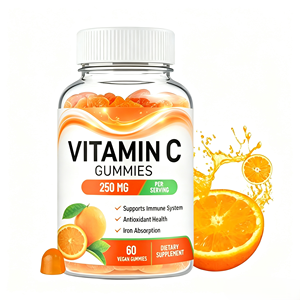
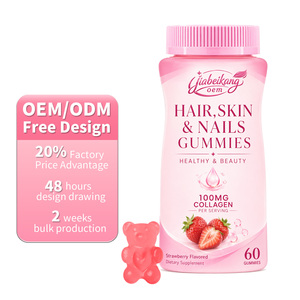
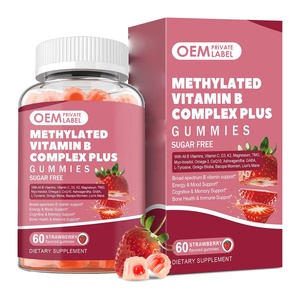
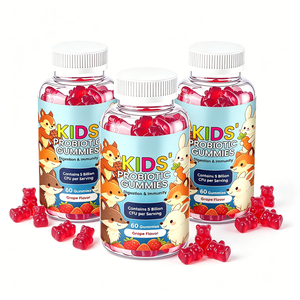
Customizable, scalable, and audit-ready formulations manufactured under Health Canada Site Licences and US FDA facility registrations.
Navigating analytical standardization, bio-enhanced carriers, and cross-border regulatory harmonization in modern botanical procurement.
The global botanical extract market is undergoing a structural transition toward active compound standardization rather than simple crude plant powders. Valued at over $38.5 billion globally, demand is driven by brand owners seeking verified bio-activity, batch-to-batch chromatographic reproducibility, and zero-pesticide verification. Sourcing managers must evaluate manufacturers based on their internal testing infrastructure, such as HPLC-DAD fingerprinting, mass spectrometry verification, and heavy metal quantification via ICP-MS.
One of the primary engineering challenges in botanical delivery is preserving heat-sensitive polyphenols, alkaloids, and volatile terpenoids during high-temperature processing. Traditional confectionery manufacturing destroys up to 40% of sensitive actives during thermal deposition. Advanced contract manufacturers utilize low-thermal vacuum evaporation, cool-melt pectin gelation matrices, and micro-encapsulation to lock in active ingredient potency across a 24-month shelf life.
When selecting a contract manufacturing partner for botanical extracts and functional gummies, crude ratio specifications (e.g., 20:1) no longer suffice for European Food Safety Authority (EFSA) or US FDA compliance. Procurement contracts must mandate high-performance liquid chromatography (HPLC) testing protocols to verify exact active compound concentrations, total plate counts (TPC < 1,000 CFU/g), and absence of heavy metals (Lead < 0.5 ppm, Cadmium < 0.3 ppm, Mercury < 0.1 ppm, Arsenic < 1.0 ppm).
Technical benchmarks required to secure compliant, stable, and highly bioavailable botanical products.
Leading exporters operate internal ISO/IEC 17025 accredited laboratories equipped with High-Performance Liquid Chromatography (HPLC), Gas Chromatography-Mass Spectrometry (GC-MS), and Thin-Layer Chromatography (TLC). This guarantees identity verification, rules out economic adulteration, and confirms active phytochemical potency across every production lot.
Superior manufacturing protocols reject cheap hydrocarbon solvents (such as hexane or benzene) in favor of Green Extraction Technologies. Utilizing Supercritical Carbon Dioxide (sCO2), water-ethanol hydro-distillation, or enzymatic extraction guarantees zero harmful solvent residues and complies with strict EU residual solvent limits.
Raw plant extracts often suffer from low oral bioavailability due to large molecular weights or poor water solubility. Elite contract manufacturers integrate liposomal delivery systems, phytosome phospholipid complexes, and self-emulsifying drug delivery systems (SEDDS) to increase active intestinal absorption by up to 400%.
| Quality Vector | Standard Commodity Exporters | Tier-1 Contract Manufacturers (e.g. Q Nutritions) | Regulatory & Buyer Benefit |
|---|---|---|---|
| Raw Material Traceability | Unverified bulk market pooling | Farm-to-factory lot tracking & GPS farm auditing | Ensures full FSMA & EU food safety compliance. |
| Active Compound Testing | UV-Vis Spectrophotometry (Non-specific) | HPLC-DAD & LC-MS/MS Quantitative Analysis | Prevents batch failures & guarantees active dosing. |
| Heavy Metal Limits | Basic Heavy Metal Pass/Fail tests | ICP-MS Quantitative (Pb, Cd, Hg, As to ppb levels) | Exceeds California Prop 65 stringent thresholds. |
| Delivery Format Matrix | Basic raw powders & hard capsules | Pectin gummies, softgels, liposomal liquids, effervescents | Unlocks premium DTC and pharmacy retail positioning. |
| Regulatory Files Provided | Basic COA only | NPN files, FDA Supplement Facts, EU dossiers, FSC | Accelerates international customs clearance. |
Emerging market forces reshaping botanical contract manufacturing over the next five years.
Standalone herbal powders are rapidly losing market share to targeted hybrid formulations. B2B buyers are demanding products that pair standardized plant extracts with bio-identical vitamins and methylated nutrients. For instance, combining methylated B-complex (Methylcobalamin & L-5-MTHF) with Adaptogenic Ashwagandha and CoQ10 creates a multi-pathway solution for stress modulation and cellular energy production in a single pectin gummy or softgel format.
Microbiome research has shifted procurement focus toward heat-stable spore-forming probiotic strains such as Bacillus coagulans and inactivated postbiotic metabolites. Unlike delicate Lactobacillus species that require strict cold-chain shipping, spore-formers survive high-heat candy cooking processes, ensuring 100% label claim delivery at expiration without requiring refrigerated logistics.
Consumer demand for clean-label, vegan, and low-glycemic products has forced contract manufacturers to replace animal-derived gelatin and high-fructose corn syrup. Modern manufacturing platforms utilize non-GMO citrus pectin combined with soluble tapioca fiber, maltitol, or isomalt. This ensures thermal stability in tropical export destinations while delivering a clean sugar-free profile suitable for diabetic and keto consumers.
As global customs agencies enforce stricter cross-border supplement oversight, procurement managers prefer contract manufacturing organizations (CDMOs) capable of turning around complete compliance packages. This includes pre-submitted Health Canada Natural Product Numbers (NPN), US FDA Supplement Facts panel audits, and European food supplement notification files, drastically shortening brand time-to-market.
A Canadian-headquartered manufacturing network built for global brands seeking compliance, scale, and velocity.
Headquartered in Mississauga, Ontario, our facility operates under strict Health Canada Site Licences and US FDA registration. Canadian natural health product GMP regulations represent one of the most stringent quality baselines globally, giving your brand an immediate trust advantage in international markets.
We balance manufacturing lead-times, tariffs, and localized sourcing by operating qualified production facilities and sourcing hubs across Canada, the United States, China, India, and the United Arab Emirates. This multi-regional footprint ensures supply chain resilience against localized disruptions.
Every client account is assigned a dedicated project manager backed by internal R&D chemists, QA/QC directors, and regulatory affairs specialists. From initial formula optimization through pilot batch stability and export customs clearance, you work with a single accountable partner.
We manufacture across 12 distinct dosage formats and support brand scaling from low pilot volumes up to multi-container export shipments.
Direct technical answers to common questions fielded by our contract engineering and regulatory teams.
Our minimum order quantities are structured to support emerging brand market testing as well as high-volume commercial scaling. MOQs start at 1,000 units for encapsulated capsules, compressed tablets, and liquid softgels; 500 kg for powder blending formulations; and 5,000 bottles (or bulk units) for pectin and gelatin gummies. Low-volume pilot runs are available for accelerated stability testing and retail buyer presentation batches.
For existing stock formulations with private label packaging adaptation, commercial production typically ships within 6 to 8 weeks. For fully custom formulations involving raw material synthesis, flavor development, pilot scale-up, analytical method validation, and regulatory label review, standard lead time is 8 to 12 weeks from final artwork and technical specification sign-off.
Our global production facilities operate under Health Canada Site Licences, US FDA facility registrations, and certified cGMP compliance. Additional accredited certifications across our facility network include NSF International, HACCP, ISO 22000 food safety management, USDA Organic, Halal, and Kosher certifications. Every shipment includes a comprehensive Certificate of Analysis (COA) detailing physical, chemical, micro, and heavy metal testing.
Yes. Our in-house regulatory team provides comprehensive market clearance support. We prepare Natural Product Number (NPN) applications for Health Canada, perform FDA Supplement Facts panel compliance checks, generate EU food supplement notification files, assemble GCC/UAE registration dossiers, and issue official export documentation, including Free Sale Certificates (FSC) and Certificates of Origin.
Every single batch of raw materials and finished goods undergoes rigorous testing in our analytical laboratories. Active markers are quantified using High-Performance Liquid Chromatography (HPLC) and Gas Chromatography (GC). Elemental contaminants (Lead, Cadmium, Mercury, Arsenic) are measured to parts-per-billion (ppb) limits via Inductively Coupled Plasma Mass Spectrometry (ICP-MS). Microbiology assays rule out Salmonella, E. coli, Staphylococcus, yeasts, and molds. Retained samples from every lot are stored in climate-controlled stability chambers for the entire declared shelf life.
Custom formulations engineered specifically for your brand under a contract development agreement remain your exclusive intellectual property. Prior to sharing proprietary ingredient blend concepts or commercial targets, we execute a comprehensive mutual Non-Disclosure Agreement (NDA) to safeguard your formula integrity and trade secrets.
Connect with our senior technical engineering and regulatory team to request sample kits, review baseline pricing, or evaluate custom formulation feasibility within one business day.