Direct factory production lines with validated stability, clean-label ingredients, and flexible private-label customization options for global health brands.
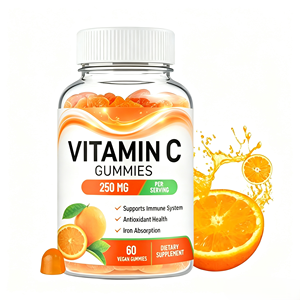
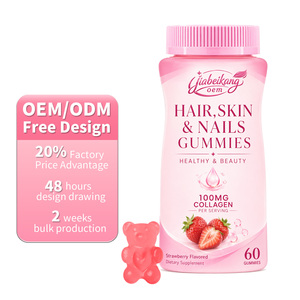
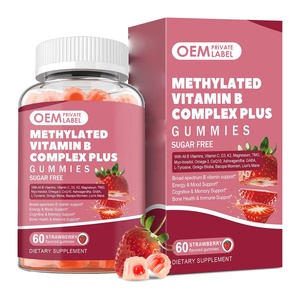
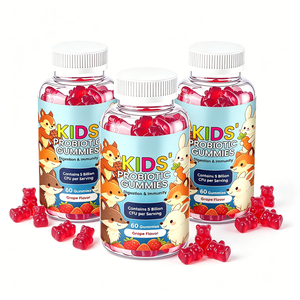
An engineering breakdown of phospholipid bilayer nano-encapsulation and why global nutraceutical brands are transitioning from conventional supplements to liposomal CDMO manufacturing.
Liposomes are microscopic spherical vesicles composed of one or more concentric phospholipid bilayers enclosing an aqueous core. Utilizing non-GMO sunflower or soy phosphatidylcholine, our microfluidic homogenization process forms stable liposomes that protect water-soluble actives (like Vitamin C and Glutathione) within the inner core, while lipid-soluble molecules embed into the fatty membrane walls.
Traditional tablets and capsules suffer severe active degradation due to stomach hydrochloric acid, digestive enzymes, and liver first-pass metabolism. Liposomal nanocarriers mimic human cellular membranes, protecting active nutrients during gastrointestinal transit and facilitating direct lymphatic transport and cellular endocytosis without receptor-mediated saturation limits.
Encapsulation quality is strictly dictated by particle size distribution. Our Chinese CDMO facilities utilize High-Pressure Homogenizers (HPH) operating at up to 1,500 bar to achieve dynamic light scattering (DLS) verified liposome diameters between 50nm and 150nm, ensuring exceptional physical stability, preventing Ostwald ripening, and optimizing intestinal epithelial uptake.
In-vitro and clinical pharmacokinetic trials demonstrate that liposomal encapsulation delivers dramatically enhanced plasma concentration curve parameters (AUC0-t) and maximum concentration peak (Cmax) values across critical micronutrients.
| Active Micronutrient | Standard Oral Format | Liposomal Format (CDMO Tech) | Relative Bioavailability (AUC Gain) | Primary Absorption Pathway |
|---|---|---|---|---|
| Vitamin C (Ascorbic Acid) | Uncoated Tablet / Powder | Nano-Liposomal Liquid / Softgel | +480% (5.8x Peak Cmax) | Lymphatic & Cell-Membrane Fusion |
| Glutathione (GSH) | Standard Crystalline Powder | Liposomal Phospholipid Complex | +850% (Destroys Gastric Breakdown) | Direct Cellular Endocytosis |
| Curcuminoids / Curcumin | 95% Raw Botanical Extract | Liposomal Micellar Fluid | +2,900% (29x Bioavailability) | Intestinal Epithelial Transcellular |
| Vitamin D3 / K2 Complex | Dry Micro-Capsule | Liposomal Oil-in-Water Matrix | +320% Systemic Retention | Chylomicron-Mediated Lymph Pathway |
| Coenzyme Q10 (Ubiquinone) | Crystalline Powder Capsule | Hydrophilic Liposomal Suspension | +610% Plasma Concentration | Direct Passive Transmembrane Diffusion |
Key market vectors shaping how brand managers, pharmacy chains, and international buyers source liposomal dietary supplements from Chinese suppliers.
Historically, commercial liposome manufacturing relied heavily on soy lecithin due to cost efficiency. However, strict international regulatory standards and growing consumer demand for allergen-free products have accelerated the transition toward non-GMO Sunflower Phosphatidylcholine and specialized egg-yolk lecithin. China manufacturers are investing heavily in high-purity (PC > 70%) sunflower phospholipid extraction technology to meet EU and North American clean-label compliance.
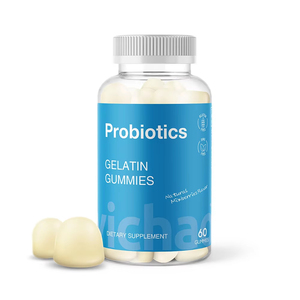
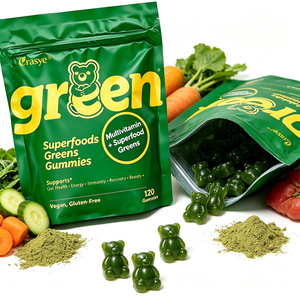
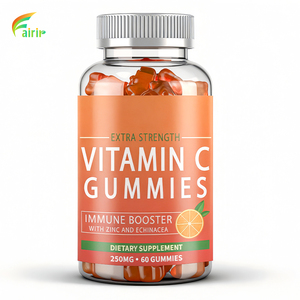
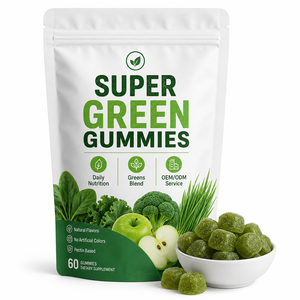
While liquid liposomal suspensions remain popular, liquid formats face shipping weight penalties and limited shelf-life stability once opened. Leading Chinese contract manufacturers are pioneering hybrid delivery formats—such as spray-dried Liposomal Powders in stick packs, Liposomal Softgels, and low-temperature Pectin Liposomal Gummies. These formats preserve membrane structure while providing consumer convenience and reduced logistics overhead.
Single-ingredient supplements are increasingly replaced by sophisticated multi-active matrixes. Sourcing trends highlight rapid volume growth in methylated B-complex formulas (5-MTHF + Methylcobalamin), liposomal NAD+ precursors (NMN/NR), and multi-stage antioxidant blends combining Liposomal Vitamin C, Glutathione, Alpha-Lipoic Acid, and Trans-Resveratrol in single dosage units.
Global buyers are moving away from standard commercial invoices toward rigorous analytical validation. Top-tier China liposomal suppliers now provide comprehensive testing dossiers per lot—including Dynamic Light Scattering (DLS) size graphs, Transmission Electron Microscopy (TEM) imaging to verify vesicular integrity, HPLC active potency assays, and ICP-MS heavy metal screen reports.
Combining Canadian regulatory governance with large-scale high-precision Chinese CDMO manufacturing infrastructure to deliver world-class nutraceutical solutions.
Our manufacturing sites operate under strict cGMP protocols, Health Canada Site Licences, US FDA facility registration, NSF International certification, ISO 22000 food safety standards, HACCP risk management, as well as Halal and Kosher certification for global market entry.
From custom active matrix R&D, flavor profile engineering (taste-masking harsh botanical/vitamin notes), pilot scale batches, to automated high-speed bottle filling, blister packaging, and custom label printing—we manage the full product lifecycle.
Equipped with advanced High-Performance Liquid Chromatography (HPLC), Gas Chromatography-Mass Spectrometry (GC-MS), ICP-MS heavy metal detection, and real-time stability chambers (30°C/65% RH & 40°C/75% RH) to guarantee 24-month potency retention.
Launching a supplement brand requires intricate regulatory alignment. Our in-house regulatory affairs group drafts complete document packages—including Health Canada NPN submissions, US FDA Supplement Facts panel copy, EU Food Supplement notifications, Free Sale Certificates (FSC), Certificate of Origin (COO), and Allergen/Non-GMO declarations—ensuring frictionless customs clearance in over 40 export destinations.
Direct technical and procurement answers addressing Minimum Order Quantities (MOQ), custom formulation, regulatory support, and delivery timelines.
Our standard MOQ for private label stock formulas starts at 1,000 to 2,000 bottles (or units). For fully customized liposomal formulas requiring specialized flavor development or novel active combinations, MOQ generally starts at 3,000 units for liquid suspensions/gummies and 50,000 units for liposomal softgels. Pilot trial runs are available for market testing upon request.
We supply comprehensive Certificate of Analysis (COA) documentation for every production lot. Liposomal structure is verified using Dynamic Light Scattering (DLS) to demonstrate particle size distribution between 50nm–150nm, Zeta Potential measurements to confirm colloidal stability, and Transmission Electron Microscopy (TEM) micro-photographs proving intact bilayer vesicle encapsulation.
For private-label stock formulations with client-supplied artwork, turnaround time is typically 3 to 4 weeks. Custom OEM/ODM formulation projects—including R&D blending, flavor optimization, pilot batch testing, and stability validation—take 6 to 8 weeks. Expedited production slots are available for repeat contract orders.
Yes. Our proprietary nano-encapsulation techniques utilize high-purity phospholipids and natural stabilizer matrices that resist thermal degradation up to 45°C. For extreme climate destinations, we offer temperature-controlled freight packing and refrigerated containerized shipping (Reefer FOB/CIF) options.
Absolutely. We specialize in clean-label formulations using non-GMO sunflower phosphatidylcholine, plant-based pectin gummy bases, organic natural sweeteners (such as Stevia, Erythritol, and Monk Fruit), and zero artificial dyes or synthetic preservatives. All lines undergo validated cleaning protocols with allergen swab assays.
We provide complete export compliance dossiers, including: Batch Certificate of Analysis (COA), Safety Data Sheets (SDS/MSDS), Heavy Metal & Microbiological Lab Reports, Certificate of Free Sale (FSC), Certificate of Origin (Form A / Form E), FDA Facility Registration details, and Health Canada NPN documentation support.
