Turnkey private label formulations manufactured under strict Canadian GMP & Health Canada license parameters.
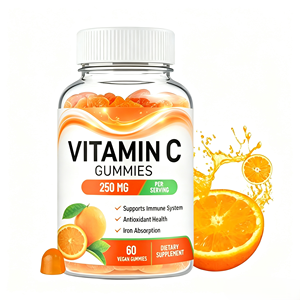
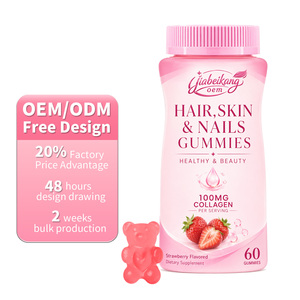
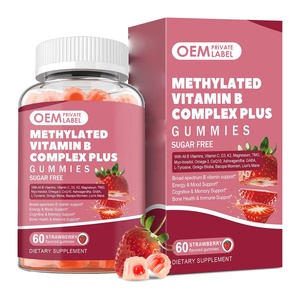
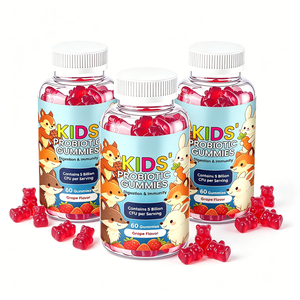
The global nutraceutical market is experiencing a structural shift toward high-precision dosage delivery systems. As pharmaceutical and dietary supplement brand owners face stricter regulatory hurdles from agencies such as the US FDA, Health Canada, the European Medicines Agency (EMA), and the GCC Standardization Organization (GSO), selecting a qualified contract development and manufacturing organization (CDMO) in China has evolved from a basic cost-saving measure into a strategic supply chain imperatives.
China's capsule filling and dietary supplement manufacturing ecosystem has undergone an extensive technological upgrade over the past decade. Modern encapsulation facilities are no longer merely high-speed output lines; they are integrated cleanroom environments operating under ISO 14644-1 Class 8 standards, leveraging fully automated tamping-pin and intermittent-motion capsule filling machines capable of achieving weight-variation tolerances within ±1.5%. This technical rigor enables global brands to procure hard gelatin, HPMC (hydroxypropyl methylcellulose) vegetable shells, pullulan non-GMO capsules, and liquid-fill hard capsules (LFHC) with unparalleled batch-to-batch uniformity.
Full alignment with Health Canada NHP Site Licenses, US FDA Registration, and cGMP compliance protocols.
Automated capsule filling lines featuring tamping-pin dosage control operating up to 150,000 capsules/hour.
Every lot verified via HPLC potency assays, ICP-MS heavy metal screening, and USP microbiological testing.
Understanding capsule mechanics is vital for pharmaceutical engineers and brand sourcing directors. Formulations containing hygroscopic botanical extracts, oxidation-sensitive lipids, or heat-labile probiotic strains demand precise shell selection and humidity-controlled filling zones (relative humidity < 35%, temperature 18°C–22°C).
| Capsule Type | Raw Material Source | Moisture Content | Disintegration Time | Ideal Formulation Characteristics |
|---|---|---|---|---|
| HPMC (Vegetable) | Plant Cellulose (Pine / Cotton) | 4.0% – 6.5% | < 15 mins (USP standard) | Hygroscopic powders, moisture-sensitive minerals, clean-label vegan SKUs. |
| Hard Gelatin | Bovine / Porcine Collagen | 13.0% – 16.0% | < 10 mins | Standard herbal blends, vitamins, non-hygroscopic amino acid powders. |
| Pullulan | Fungal Fermentation (Aureobasidium) | 10.0% – 14.0% | < 12 mins | Ultra-premium organic products requiring extreme oxygen barrier protection. |
| Enteric HPMC | HPMC + Pthalate/Acrylates or Natural Polymers | 5.0% – 7.0% | Resists Gastric Acid (2h), dissolves in Intestine (<45m) | Probiotics, live enzymes, peptides, targeted intestinal release formulations. |
| Liquid-Filled Hard (LFHC) | HPMC or Gelatin with Hermetic Banding | 4.5% – 14.0% | < 15 mins | Suspensions, oil-powder combos, lipid soluble vitamins (D3/K2/Omega oils). |
As the global consumer base becomes increasingly informed regarding active ingredient delivery mechanisms, B2B supplement procurement is pivoting toward several key technological trends:
Traditional animal gelatin is rapidly surrendering market share to HPMC and fermented Pullulan capsules. European and North American buyers require non-GMO, Halal, Kosher, and allergen-free certifications across 100% of their encapsulate product lines.
LFHC technology bridges the gap between softgels and hard shell capsules. By encapsulating functional oils (such as Black Seed Oil, MCT, or CoQ10) into a hard capsule sealed with a micro-thin gel band, manufacturers eliminate the need for plasticizers while protecting oxygen-sensitive actives.
To prevent chemical interactions between incompatible ingredients (e.g., water-soluble Vitamin C combined with lipid-soluble Vitamin D3), advanced filling lines utilize capsule-in-capsule or oil-with-floating-beadlet technologies to provide controlled dual-phase release profiles.
The contract supplement manufacturing sector in China is undergoing a digital and scientific transformation. Modern procurement requires total visibility into batch production records (BPRs) and analytical certificates of analysis (COAs).
Our Canadian headquarters in Mississauga, Ontario, coordinates directly with audited manufacturing facilities in China, the United States, India, and the UAE. This multi-jurisdictional network ensures that every client benefit from lower Asian manufacturing overhead while operating under strict Health Canada NHP guidelines and US FDA cGMP parameters.
High-Performance Liquid Chromatography (HPLC) is utilized to verify active ingredient potency (e.g., methylated B vitamins, polyphenol concentrations). Inductively Coupled Plasma Mass Spectrometry (ICP-MS) tests for heavy metals (Lead, Cadmium, Arsenic, Mercury) down to parts-per-billion (ppb) detection thresholds.
Dedicated processing suites, positive air-pressure cascades, and validated CIP (Clean-in-Place) protocols prevent cross-contamination between probiotic strains, herbal extracts, and common food allergens like soy, gluten, or dairy.
Q Nutritions operates as a top-tier Contract Development and Manufacturing Organization (CDMO). With over 25 years of pharmaceutical and nutraceutical experience, we bridge the gap between Asian manufacturing scale and Western quality assurance standards.
Equipped with Health Canada Site Licenses, US FDA registration, NSF GMP certification, Halal, Kosher, and ISO 22000 validation.
Flexible minimum order quantities starting from 1,000 units for stock capsule/tablet SKUs and rapid 6 to 8-week production turnarounds.
In-house regulatory affairs team providing Health Canada NPN submissions, US Supplement Facts verification, EU notifications, and GCC export dossiers.
Technical and commercial guidance curated by our chief formulation engineers and global supply chain directors.
Our baseline MOQs for standard encapsulated products (hard gelatin or HPMC vegan capsules) start at 1,000 bottles (or 100,000 bulk capsules). For specialized formats such as enteric-coated capsules or liquid-fill hard capsules (LFHC), pilot runs can be structured at 50,000 units to facilitate stability testing and market launch validation before scaling to full production volumes.
We utilize automatic tamping-pin capsule filling machinery equipped with real-time electronic weight sensors and capacitive powder level detectors. During production, samples are automatically pulled every 15 minutes to measure individual capsule weight variations (maintained strictly within USP <905> Uniformity of Dosage Units specifications). Additionally, powder blends undergo high-shear V-blender homogenization to guarantee CV (Coefficient of Variation) values under 2.5% across active ingredients.
For stock private label capsule formulations, typical production and packaging turnaround is 4 to 6 weeks upon artwork approval. Custom formulation projects requiring specialized botanical sourcing, particle size micronization, pilot batch stability studies, and custom printed packaging generally require 8 to 12 weeks from initial technical sign-off to export shipment.
Hygroscopic ingredients (such as concentrated fruit powders, herbal extracts, and humic substances) are processed in specialized HVAC-controlled cleanrooms where relative humidity (RH) is strictly maintained below 35%. We frequently recommend HPMC vegetable shells over gelatin for these applications, as HPMC features a lower moisture content (4-6% vs gelatin's 13-16%), preventing the capsule shell from transferring moisture into the powder core and causing clumping or shell brittleness.
Every commercial batch is accompanied by a comprehensive Certificate of Analysis (COA) issued by an ISO/IEC 17025 accredited laboratory. The COA covers physical testing (appearance, average weight, disintegration time, brittle fracture rate), active ingredient assay via HPLC/UV, heavy metal analysis via ICP-MS, and microbiological limits (Total Aerobic Microbial Count, Yeast & Mold, E. coli, Salmonella, Staph aureus). We also issue Free Sale Certificates (FSC), Certificates of Origin (COO), BSE/TSE-Free statements, and Allergen-Free documentation.
Yes. For live microorganism strains (such as Bacillus coagulans, Lactobacillus, and Bifidobacterium) that are vulnerable to stomach gastric acid (pH 1.5-2.0), we utilize specialized acid-resistant HPMC capsules or apply aqueous enteric coating polymers. This ensures zero dissolution in gastric fluids for at least 120 minutes while guaranteeing full breakdown and probiotic release upon reaching the small intestine (pH 6.8).
