Explore our market-validated, private-label ready dosage solutions engineered under strict GMP and CE compliance benchmarks for international distribution.
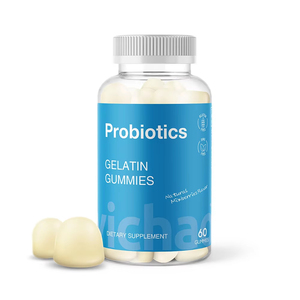
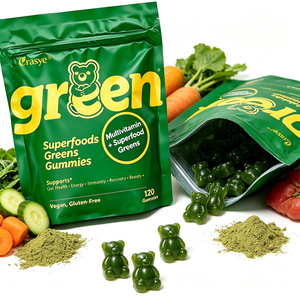
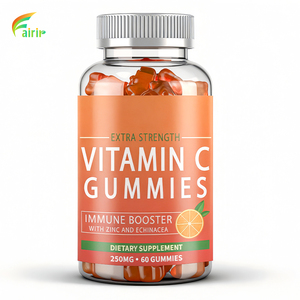
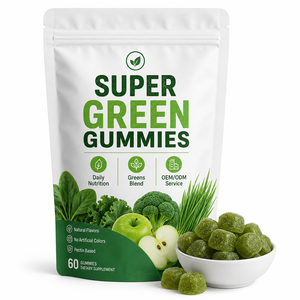
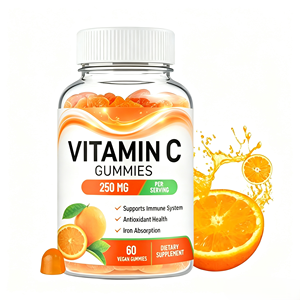
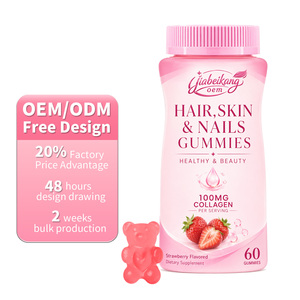
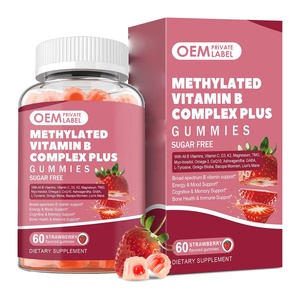
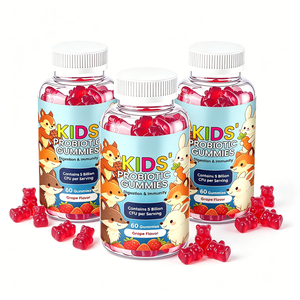
An authoritative analysis of stoichiometric gas liberation, environmental humidity controls, and advanced bio-availability dynamics in solid oral dosage manufacturing.
The core mechanism of effervescent tablets relies on a precisely calculated acid-base reaction between organic acids (such as citric acid, tartaric acid, or malic acid) and alkali carbonate bases (such as sodium bicarbonate, potassium bicarbonate, or magnesium carbonate). Upon immersion in water, these solid components dissolve, triggering an immediate neutralisation reaction that liberates carbon dioxide (CO₂) gas.
This rapid carbonation acts as an intrinsic disintegrant, causing the tablet matrix to break down within 60 to 180 seconds without requiring mechanical agitation. As a high-capacity contract development and manufacturing organization (CDMO), our pharmaceutical scientists balance pKa values and particle sizes to optimize dissolution rates, preventing unreacted acid residues and ensuring a smooth, palatable solution.
Achieving CE Certification for effervescent nutritional supplements and medical devices requires rigorous compliance with European Union Health and Safety Directive requirements. Unlike standard dietary supplements, effervescent tablets categorized under CE compliance must undergo stringent verification regarding raw material purity, heavy metal limits (tested via ICP-MS), residual solvent profiles, and precise active ingredient uniformity.
Our manufacturing infrastructure adheres to strict EU GMP guidelines and ISO 22000 food safety management protocols. Each batch is issued a comprehensive Certificate of Analysis (COA) confirming stability, lack of microbial contamination, and accurate chemical stoichiometry, providing global brand owners with frictionless clearance across EU member states and international customs boundaries.
Effervescent delivery formats offer significant pharmacological and physiological advantages over traditional compressed tablets and hard-gelatin capsules. By dissolving the active nutrients prior to ingestion, the stomach receives a buffered, fully homogeneous solution. This eliminates localized concentration spikes of active compounds against the gastric mucosa, drastically reducing instances of stomach irritation associated with high-dose Vitamin C, iron salts, or zinc minerals.
Furthermore, liquid transit time through the stomach is exponentially faster than solid dosage disintegration, leading to rapid intestinal absorption, higher biological peak concentration (Cmax), and shortened time-to-peak (Tmax).
Effervescent manufacturing requires specialized HVAC environmental controls. Our automated blending and compression suites operate under continuous Relative Humidity (RH) levels below 20% and controlled temperatures (21°C ± 2°C) to prevent premature micro-effervescence and atmospheric moisture uptake during processing.
Headquartered in Mississauga, Canada, with operational hubs spanning 5 countries, we deliver fully audited, scalable manufacturing from initial pilot R&D to multi-container commercial production.
Our operations are anchored by Health Canada Site Licensing and US FDA Facility Registration. Canadian natural health product standards represent one of the most stringent regulatory baselines globally, ensuring complete batch documentation, verified supplier auditing, and full lot-level traceability.
Beyond CE-certified effervescent tablets, our state-of-the-art facilities produce softgels, pectin & gelatin gummies, HPMC vegan capsules, agglomerated powders, and functional oral liquids. This multi-format flexibility enables brand owners to consolidate their SKU portfolio under one single quality management system.
Our dedicated regulatory experts handle complex international dossier preparations including NPN applications for Health Canada, US FDA Supplement Facts verification, EU Food Supplement Directive notifications, and GCC export registration files complete with Free Sale Certificates.
An executive analysis of consumer shifts, clean-label engineering, active compound stability, and packaging innovations shaping global retail and clinical channels.
Traditional effervescent formulations historically relied on sucrose or high levels of artificial sweeteners like aspartame and saccharin to mask the aggressive tartness of organic acids. Global procurement data indicates a decisive 42% year-over-year increase in buyer demand for natural, sugar-free sweetener systems utilizing fermented erythritol, high-purity steviol glycosides (Reb M / Reb D), and monk fruit extract.
Furthermore, brands are seeking natural botanical colors (such as beetroot powder, beta-carotene, and riboflavin) that remain photostable over 24-month shelf life windows without causing turbidity or unsightly ring precipitation in the solution glass.
Single-ingredient effervescents (such as stand-alone Vitamin C 1000mg) are rapidly maturing. Global buyer intent is migrating toward multi-active complexes engineered for specific therapeutic verticals: Electrolyte Hydration + Magnesium Citrate, Vitamin D3 + K2 + Zinc Picolinate, and Nootropic Focus Matrices containing L-Theanine, B-Complex, and Acetyl-L-Carnitine.
Formulating multi-active effervescent matrices demands precise micro-encapsulation technologies to protect moisture-sensitive components (e.g., Vitamin B12 or Methylfolate) from reacting with acidic carriers prior to consumption.
Effervescent tablets are highly hygroscopic. Exposure to ambient moisture leads to premature degradation, tablet swelling, and gas loss. The market is transitioning rapidly toward rigid aluminum tubes equipped with integrated desiccant stoppers (filled with silica gel or molecular sieves) capable of absorbing ambient humidity throughout repeated consumer openings.
Simultaneously, high-barrier strip packaging using Alu-Alu (Aluminum-Aluminum) foil laminates is expanding in tropical climate regions, ensuring individual dose protection and extending physical integrity across challenging logistics routes.
From incoming raw material verification to finished batch release, every manufacturing run is subject to rigorous physical, chemical, and microbiological testing.
100% of incoming active pharmaceutical ingredients (APIs) and nutraceutical compounds undergo identity, potency, and purity verification. Utilizing High-Performance Liquid Chromatography (HPLC) and Inductively Coupled Plasma Mass Spectrometry (ICP-MS), our QC chemists screen for heavy metals (Lead, Arsenic, Cadmium, Mercury), pesticide residues, and residual solvents prior to quarantine release.
During compression, automated rotary tablet presses continuously monitor tablet weight uniformity, thickness, friability (target < 0.5%), breaking force (hardness), and disintegration kinetics. This guarantees that every effervescent tablet dissolves completely within the designated time frame without leaving gritty particulate matter.
Finished goods undergo accelerated stability testing (40°C / 75% RH) and real-time room temperature testing to establish accurate shelf-life validation. Every order is delivered with full batch production records, Certificate of Analysis (COA), and third-party ISO 17025 laboratory verification documentation.
Clear, direct answers regarding minimum order quantities, regulatory submissions, lead times, and custom formulation parameters.
Our standard Minimum Order Quantities (MOQ) for custom effervescent tablet production start at 10,000 tubes (typically 10 or 20 tablets per tube) or 100,000 bulk tablets for specialized packaging. Lower pilot batch volumes are available for clinical trials, stability testing, and market validation batches to assist emerging brands prior to full commercial rollout.
For stock private label formulations, lead times are approximately 6 to 8 weeks upon label artwork sign-off. Fully custom formulations requiring R&D trial batches, custom flavoring development, raw material sourcing, and stability validation generally require 8 to 12 weeks. Expedited schedules can be coordinated for recurring enterprise contract customers.
Our production facilities operate under Health Canada Site Licenses, US FDA Facility Registration, cGMP Certification, ISO 22000 Food Safety Management, and HACCP compliance. Additionally, we provide CE Mark compliance documentation for European exports, as well as Organic, Halal, and Kosher certifications for qualifying product lines.
Yes. Our in-house regulatory affairs team assists client partners with NPN submissions for Health Canada, FDA-compliant Supplement Facts panel reviews, EU food supplement notifications, GCC dossier preparation, and official export certificates including Certificates of Free Sale (CFS), Certificates of Origin (COO), and BSE/TSE-Free Statements.
We maintain strict allergen control programs governed by validated cleaning protocols and swab tests between production runs. Dedicated cleanrooms and equipment tooling are utilized for vegan (HPMC/Pectin) and allergen-free products, ensuring zero cross-contact with gluten, dairy, soy, or shellfish components.
We offer rigid plastic and recyclable aluminum tubes with desiccant-cap closures, high-barrier blister strips (Alu-Alu / PVC-PVDC), glass packaging, and individually sealed foil sachets for single-serve powder or tablet formats. All packaging options can be fully customized with branded graphics and tamper-evident shrink bands.
Connect directly with our technical contract manufacturing specialists to receive custom formulation feedback, regulatory guidance, and a comprehensive wholesale cost estimate within 24 hours.
