China has become a major sourcing destination for collagen supplements and private-label wellness products. This guide explores China’s top ten Collagen Liquid Shots manufacturers and their practical manufacturing strengths. It focuses on capabilities, not exaggerated marketing claims.
The evaluation considers formulation support, raw material traceability, filling technology, packaging options, and export experience. It also examines whether manufacturers provide batch testing, stability data, allergen statements, and clear certificates. These details matter when a small liquid shot must remain consistent across thousands of bottles. Manufacturing facilities should demonstrate suitable quality systems, documented procedures, and trained technical teams. Independent laboratory reports can strengthen confidence, although buyers should verify every document directly.
No ranking is perfect. Public information may be incomplete, outdated, or presented too generously. A factory with polished brochures may not offer the strongest production controls. Another supplier may have excellent equipment but limited experience with overseas regulations. Buyers should request samples, review production records, and compare communication speed before signing an agreement. Taste, sediment, viscosity, and bottle sealing deserve close attention. Small differences become obvious after several weeks of storage.
This introduction provides a balanced starting point for supplier research. It combines commercial relevance with quality-focused questions and realistic sourcing concerns. Readers can use the overview to identify suitable partners for OEM, ODM, or branded Collagen Liquid Shots. Final decisions should follow verified evidence, product testing, and professional regulatory advice.
What Are Collagen Liquid Shots and How Are They Used?
Collagen liquid shots are small, ready-to-drink servings designed for convenient daily use. They usually contain hydrolyzed collagen peptides, which are collagen proteins broken into smaller chains. This process helps the powder dissolve in water and may improve digestion. Some formulas include vitamin C, zinc, or flavoring ingredients. These additions can change the nutritional profile, so the label deserves careful reading.
Small bottle. Easy routine.
Most people drink one shot directly from its container. Others mix it with cold water, yogurt, or a morning smoothie. Refrigeration may improve the taste after opening, although storage instructions differ by product. Taking collagen with a meal is practical, but current evidence does not prove that one specific time works best. Consistency matters more than a fashionable schedule. I would not treat a shot as medicine or expect rapid changes in skin, hair, or joints.
Reliable manufacturers should state the collagen source, peptide amount, allergens, serving size, and expiry date clearly. Quality checks should cover microbial safety, heavy metals, and accurate ingredient levels. Third-party testing can add useful confidence, but it is not a substitute for transparent documentation. Consumers should check whether the source suits dietary, religious, or allergy requirements. Results also vary with age, nutrition, activity, and existing health conditions. The marketing can sound more certain than the science, which is worth questioning.
How to Evaluate Collagen Liquid Shot Manufacturers
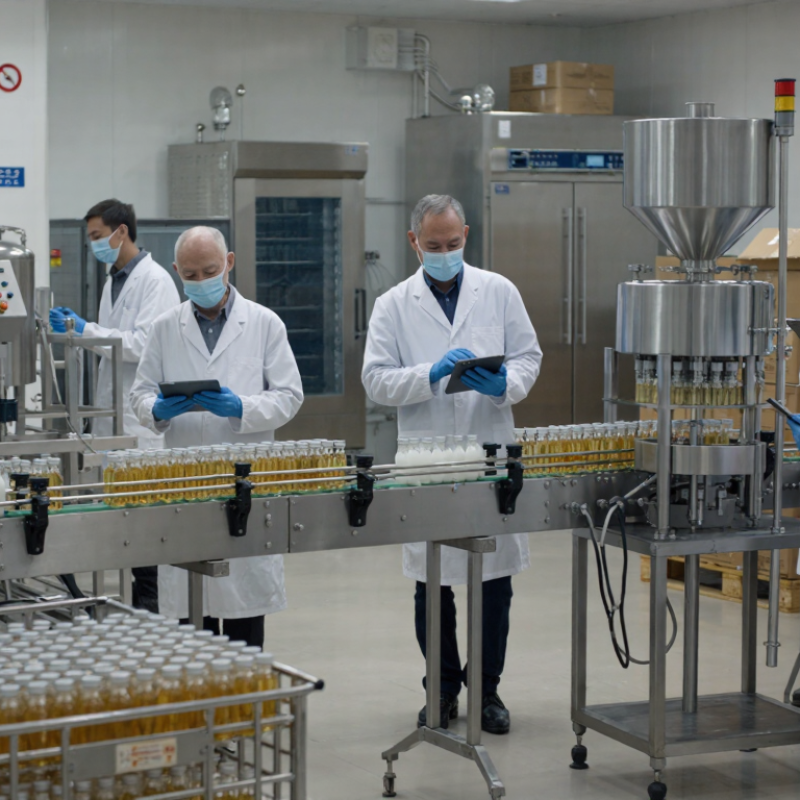
When comparing China’s top ten collagen liquid shot manufacturers, start with evidence, not rankings. A modern website proves little. Request a current business license, production address, and relevant food manufacturing permits. Check whether the factory produces liquid supplements or only trades finished goods. Ask for a guided video audit or an independent on-site inspection. Look for clean filling rooms, stainless steel tanks, controlled storage, and documented hygiene procedures. Not every polished factory performs well.
Technical evaluation should follow the product from raw material to sealed bottle. Require supplier specifications, origin records, allergen statements, and identity testing for collagen peptides. Review certificates of analysis for protein content, microbiological limits, heavy metals, and banned-substance screening where relevant. Verify testing laboratories independently, because copied certificates remain a practical risk. Ask how the manufacturer controls pH, viscosity, flavor stability, and sediment during shelf-life studies. A clear batch number should connect each bottle to production and test records. Taste samples after storage, not only on delivery day. Small details matter.
Assess manufacturing experience through comparable projects, minimum order quantities, lead times, and change-control procedures. A reliable team explains failed trials and corrective actions without hiding uncomfortable details. Request pilot samples from the same line used for commercial production. Compare packaging compatibility, seal integrity, transport temperature, and leakage rates. Quality agreements should define specifications, complaint handling, recalls, and audit access. Check claims with qualified regulatory reviewers for every target market. I would question unusually low prices; they may reflect weaker testing or unstable raw materials. My evaluations improve when I record assumptions and revisit them after delivery. No checklist is perfect, but documented evidence reduces dependence on sales language.
China Top 10 Collagen Liquid Shots Manufacturers - How to Evaluate Collagen Liquid Shot Manufacturers
Recommended use: request the same documents and samples from each candidate manufacturer, score every dimension consistently, and verify all certifications and laboratory reports with the issuing organization or testing laboratory.
China’s Top 10 Collagen Liquid Shot Manufacturers
China’s Top 10 Collagen Liquid Shot Manufacturers reflect a fast-growing nutrition market. Grand View Research valued the global collagen market at USD 9.1 billion in 2022. It also forecast a 9.6% compound annual growth rate from 2023 to 2030. China’s manufacturing base benefits from dense supply chains, modern filling equipment, and experienced food-processing teams.
A credible manufacturer should provide peptide specifications, allergen controls, and batch-level certificates of analysis. Hydrolyzed collagen content matters more than attractive packaging. A practical liquid shot often uses a compact 30–50 millilitre bottle, helping consumers measure each serving easily. Stability testing should examine heat, light, acidity, and sediment formation. Taste is equally important. A scientifically sound formula can still fail if it leaves a strong aftertaste.
The top ten should be assessed through factory audits, production capacity, export experience, and traceability records. ISO 22000 or HACCP systems can support confidence, but certificates alone prove little. Public information is sometimes incomplete. That makes ranking difficult. Some manufacturers publish detailed testing data, while others provide only broad product claims. Buyers should request recent third-party reports, manufacturing licenses, and representative samples before cooperation. Fortune Business Insights projected continued collagen-market expansion through 2032, but market forecasts are not guarantees. Manufacturing quality can vary between batches, and this deserves closer review.
China’s Top 10 Collagen Liquid Shot Manufacturers
This benchmark summarizes commonly disclosed product specifications and manufacturing capabilities in China’s collagen liquid-shot sector. The indicators focus on formulation characteristics, packaging flexibility, quality systems, and export readiness rather than individual company or brand performance.
Manufacturing Standards, Formulation, and Quality Control
China Top 10 Collagen Liquid Shots Manufacturers
When assessing China’s top 10 collagen liquid shot manufacturers, manufacturing standards deserve close attention. Reliable facilities normally operate under documented GMP procedures and controlled production zones. Batch records should identify raw material lots, operators, equipment, and processing dates. Traceability matters when a quality issue appears months later. It is not exciting work. It prevents expensive uncertainty.
Formulation quality begins with collagen source, peptide profile, and declared dosage. Manufacturers should explain hydrolysis methods, solubility testing, flavor systems, and preservative choices. A clear formula should also disclose allergens, sweeteners, and nutrient levels. In liquid products, pH and water activity influence stability. Packaging requires equal care. Light-resistant bottles and secure seals can protect sensitive ingredients during transport. Taste remains important because consumers often stop using products they dislike.
Quality control should cover incoming materials, production samples, and finished shots. Useful tests include identity, microbial limits, heavy metals, viscosity, pH, and shelf-life stability. Independent laboratory reports can strengthen confidence, but buyers should verify test dates and sample numbers. A certificate alone is not proof of consistent production. Factory audits, retained samples, and corrective-action records reveal more practical evidence. No audit is perfect. Small documentation gaps may expose larger weaknesses, so manufacturers should welcome questions rather than hide behind polished presentations. Consistent communication, trained quality staff, and transparent specifications help separate capable suppliers from merely attractive quotations.
How to Select the Right Chinese Manufacturer for Your Needs
Choosing among China’s top collagen liquid shot manufacturers requires more than comparing prices. Grand View Research estimated the global collagen market at USD 9.12 billion in 2022, with strong growth expected through 2030. That expansion attracts capable factories, but also creates uneven quality. Start by checking manufacturing experience, product category expertise, and export history. Ask for current GMP, HACCP, and ISO 22000 certificates. Verify them independently.
Request a complete technical file before discussing large orders. It should include collagen source, molecular weight, dosage, allergens, microbiological limits, heavy-metal results, and shelf-life evidence. Each batch should have a traceable certificate of analysis. For liquid shots, inspect filling-room hygiene, seal integrity, light protection, and storage testing. A pleasant flavor means little if oxidation changes the formula after six months. Ask for pilot samples from at least three production lots.
Innova Market Insights has repeatedly identified beauty-from-within and functional nutrition as active consumer trends. Still, trend language cannot replace evidence. Evaluate minimum order quantity, formulation flexibility, lead times, packaging compatibility, and communication speed. A useful factory should explain its limitations clearly. That matters. I would also request an on-site or independent audit, although audits can miss small daily errors. Review corrective-action records, not only polished certificates. Confirm that product claims match the destination market’s rules, because labeling requirements differ across regions. A lower quote may hide testing, packaging, or reformulation costs.
FAQS
Request a current business license, production address, food permits, and quality certificates. Verify each document independently.
Ask for a guided video audit or independent site inspection. Look for stainless steel tanks, clean filling rooms, and controlled storage.
Request supplier specifications, collagen origin records, allergen statements, identity tests, and batch-level certificates of analysis.
Reports should cover protein content, microbiological limits, heavy metals, and relevant safety screening. Copied certificates remain a risk.
Review studies involving heat, light, acidity, viscosity, flavor, and sediment. Taste stored samples, not only fresh deliveries.
Check bottle size, seal strength, light protection, leakage rates, and transport temperatures. A small leak can damage an entire shipment.
No. Certificates support confidence but do not prove daily performance. Review audit findings and corrective-action records.
Yes. Request samples from the commercial production line and compare at least three lots. Differences may appear later.
Compare minimum orders, lead times, testing costs, packaging, and reformulation terms. An unusually low quote deserves careful questions.
Record your assumptions and revisit them after delivery. My checklist may miss small daily errors, so independent review still helps.
Conclusion
This article provides a practical overview of Collagen Liquid Shots, including what they are, how they are commonly consumed, and why they have become a convenient option for beauty and wellness routines. It explains the key factors used to evaluate Chinese manufacturers, such as production experience, ingredient sourcing, formulation capabilities, facility standards, testing procedures, packaging options, and customer support.
The guide also presents a structured comparison of China’s top 10 Collagen Liquid Shot manufacturers without focusing on brand promotion. It examines how manufacturers manage product development, dosage consistency, stability, hygiene, traceability, and quality control throughout the production process. Finally, it outlines how buyers can select the most suitable supplier according to their target market, product specifications, minimum order requirements, customization needs, certifications, communication efficiency, and delivery expectations. By following these evaluation criteria, businesses can make more informed decisions and establish reliable, compliant, and long-term manufacturing partnerships.