🇨🇦 Canadian Headquarters · GMP Manufacturing Network Across 5 Countries +1 (437) 595-0172  |  [email protected]
0%

Choosing the right Omega-3 Fish Oil Softgels in 2026 requires more than comparing capsule prices. EPA and DHA levels, oxidation control, sourcing, and independent testing can change the product’s real value. The National Institutes of Health Office of Dietary Supplements reports that EPA and DHA support important biological functions, while evidence varies by health outcome. There is no universally established daily intake for EPA and DHA in healthy adults. That detail matters.

Industry data shows why this category continues to attract attention. Grand View Research has projected steady growth in the global omega-3 supplements market, supported by increased interest in preventive nutrition and healthy aging. However, market forecasts differ by research firm, methods, and product definitions. Treat projections as directional, not guaranteed. GOED, the Global Organization for EPA and DHA Omega-3s, emphasizes quality factors such as purity, stability, and accurate labeling. These are practical buying signals, not marketing decoration.

A softgel may list 1,000 milligrams of fish oil, yet provide only 300 milligrams of combined EPA and DHA. Read the Supplement Facts panel carefully. Look for batch testing, freshness indicators, and transparent fish sources. The International Fish Oil Standards program also evaluates oxidation, contaminants, and label accuracy for participating products. Still, certification does not replace personal medical advice. Some products taste clean. Others repeat badly after swallowing. Small details matter. This guide compares leading 2026 options through a cautious lens, while acknowledging an uncomfortable truth: no single softgel suits every buyer, diet, budget, or health need.
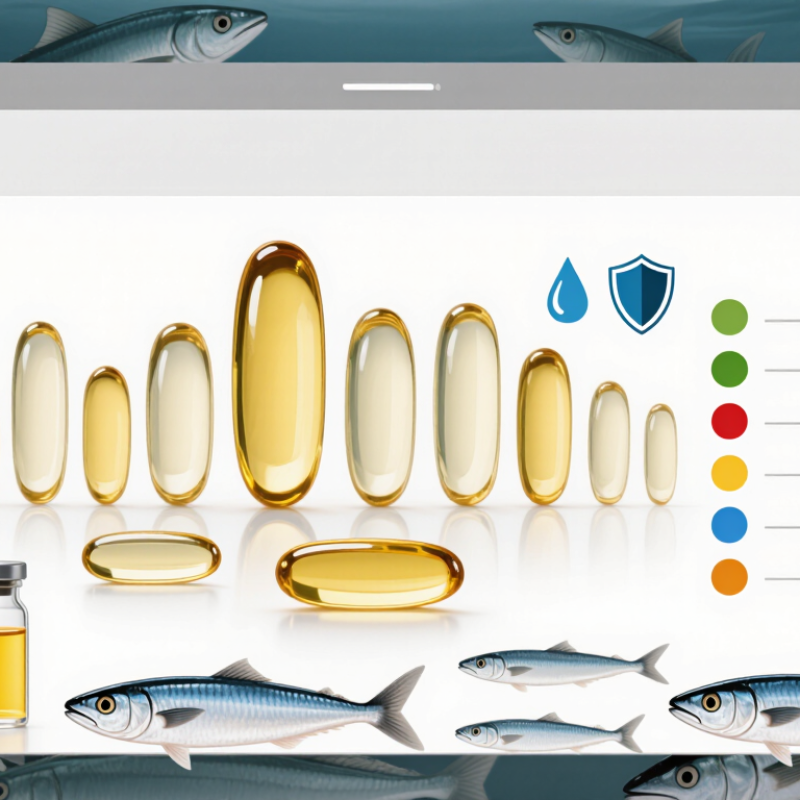
2026 Top Omega 3 Fish Oil Softgels Buyers Guide?

What Are Omega-3 Fish Oil Softgels?

Omega-3 fish oil softgels are small, swallowable capsules filled with concentrated marine oil. They commonly provide two important fatty acids: EPA and DHA. These nutrients support normal heart, brain, and eye function, but they are not a cure for disease.

The oil usually comes from oily fish such as sardines, anchovies, or mackerel. The softgel shell may contain gelatin, glycerin, and water. Some products use a vegetarian capsule instead. Check the nutrition panel carefully. “1,000 mg fish oil” may provide only 300 mg of combined EPA and DHA. That difference is easy to miss.

Read the EPA and DHA amounts separately. Consider products with clear purity testing, oxidation controls, and batch information. A fresh softgel should not smell strongly rancid. Fishy burps can happen, especially when capsules are taken on an empty stomach. Taking them with a meal may help, though it does not work perfectly for everyone.

Storage matters. Heat, light, and air can damage the oil over time. Keep the container tightly closed and follow its storage instructions. People with fish allergies, bleeding disorders, or planned surgery should ask a qualified healthcare professional before using fish oil. Those taking blood-thinning medicine need extra care.

I once assumed a larger capsule meant a stronger dose; the label proved otherwise. Size is not potency.

How to Read EPA, DHA, and Supplement Labels

2026 Top Omega 3 Fish Oil Softgels Buyers Guide

The front of a fish oil bottle can look impressive, but the back label deserves attention. Check the serving size first. A “1,000 mg fish oil” softgel may contain only about 180 mg EPA and 120 mg DHA, according to the NIH Office of Dietary Supplements fact sheet. EPA and DHA are the active omega-3s. Total fish oil is not the same measurement. Check the math.

Read EPA and DHA separately, then add them together. Also note how many softgels create one serving. Some labels list two or four capsules per serving, which can quietly change the daily cost. EFSA identifies 250 mg of combined EPA and DHA daily as sufficient for normal heart function in healthy adults. Individual needs may differ. That distinction matters.

Look for batch testing, freshness information, and a clear manufacturing date. The GOED voluntary monograph sets oxidation targets, including peroxide value no higher than 5 and anisidine value no higher than 20. These figures can help shoppers assess quality, although testing claims still require verification. I once focused too much on “high strength” wording and missed the modest DHA amount. Labels can fool careful buyers. FDA guidance considers up to 5 grams daily of EPA and DHA from supplements generally safe for adults, but higher intake deserves professional advice. Check for added vitamins, especially vitamin A in liver oils.

2026 Top Omega 3 Fish Oil Softgels Buyers Guide? - How to Read EPA, DHA, and Supplement Labels

Label Dimension What the Label May Show How to Read It Practical Buying Guidance
EPA Eicosapentaenoic acid, usually listed in milligrams per serving EPA is one of the main long-chain omega-3 fatty acids found in marine oils. It contributes to the total omega-3 amount. Compare the actual EPA milligrams, not only the total amount of fish oil in the softgel.
DHA Docosahexaenoic acid, usually listed in milligrams per serving DHA is another principal marine omega-3 fatty acid and is an important structural component of cell membranes, particularly in the brain and retina. Check DHA separately because two products with the same fish-oil weight can provide different EPA-to-DHA profiles.
Total EPA + DHA EPA and DHA values added together This is often more useful for comparison than the front-label phrase “1,000 mg fish oil.” A 1,000 mg fish-oil serving does not necessarily contain 1,000 mg of EPA plus DHA. Calculate the total: EPA mg + DHA mg = EPA plus DHA per serving.
Other Omega-3s DPA, ALA, or other fatty acids may be listed separately Some marine oils contain docosapentaenoic acid (DPA). Alpha-linolenic acid (ALA) is a plant-based omega-3 and is not equivalent to preformed EPA or DHA. Do not count ALA as if it were EPA or DHA when comparing fish-oil softgels.
Serving Size One or more softgels, often shown in the Supplement Facts panel The listed EPA and DHA amounts apply to the stated serving size, not automatically to one capsule. Divide the serving amounts by the number of softgels to determine the EPA and DHA supplied by each softgel.
Fish Oil Amount Total fish oil weight, commonly shown in milligrams Fish oil weight includes EPA, DHA, and other oil components. It is different from the combined EPA and DHA quantity. Use the EPA-plus-DHA figure as the primary comparison point, then consider capsule count and cost per serving.
Oil Form Triglyceride (TG), re-esterified triglyceride (rTG), or ethyl ester (EE) These are different chemical forms of concentrated marine oil. The form alone does not establish product quality or effectiveness. Prefer a clearly disclosed oil form and follow the product’s storage and use instructions. Avoid choosing solely on the form name.
Purity Testing Independent testing, certificate of analysis, or testing for contaminants Fish oils can be tested for oxidation, heavy metals, dioxins, PCBs, and accurate EPA/DHA content. A quality seal indicates that a defined testing program was used, but the specific standard should be identifiable. Look for accessible testing information and verify that it covers identity, potency, contaminants, and oxidation where applicable.
Oxidation Indicators Peroxide value (PV), anisidine value (p-AV), and TOTOX may appear in technical documentation PV reflects primary oxidation products, p-AV reflects secondary oxidation products, and TOTOX is commonly calculated as 2 × PV + p-AV. These values require context and standardized testing methods. Freshness data are more useful when the test method, date, and applicable quality limits are provided. A strong rancid odor or taste is a reason to stop using the product.
Sourcing Information Fish species, fishery source, marine region, or sustainability certification Clear sourcing helps with traceability. Common small oily fish used for omega-3 oil include anchovy, sardine, and mackerel. Choose products that disclose species or source information and provide credible sustainability or traceability details when those factors matter to you.
Allergen Statement “Contains fish” or a similar fish-allergen declaration Fish oil is derived from fish and may be unsuitable for people with fish allergies. Additional ingredients may introduce other allergens. Read both the allergen statement and the complete “Other Ingredients” section before buying.
Added Ingredients Gelatin, glycerin, flavoring, antioxidants, or coloring agents Softgel shells may contain gelatin, while some products use non-gelatin alternatives. Antioxidants such as vitamin E compounds may be added to help protect the oil from oxidation. Check the full ingredient list for dietary, religious, allergy, and sensitivity requirements.
Suggested Use Directions for daily serving size and timing Food supplements are not interchangeable with prescription medicines. Individual needs vary according to diet, health status, and medical advice. Follow the label unless a qualified healthcare professional gives different instructions. Do not use a high-dose regimen without professional guidance.
Safety Considerations Warnings about bleeding risk, surgery, pregnancy, or medication interactions Omega-3 supplements may interact with anticoagulant or antiplatelet medicines, and concentrated products may not be appropriate for everyone. Consult a healthcare professional before use if you take blood-thinning medication, have a bleeding disorder, are pregnant or breastfeeding, or have a scheduled procedure.
Storage Instructions such as “store in a cool, dry place” or “refrigerate after opening” Heat, light, air, and time can reduce oil freshness. Storage instructions vary by formulation and packaging. Keep the container tightly closed, protect it from heat and light, and follow the product’s stated storage directions.
Best-By Date and Packaging Expiration or best-by date, lot number, and sealed packaging These details support traceability and help indicate how long the product is expected to remain within specifications when properly stored. Choose intact packaging with a clearly printed lot number and a reasonable remaining shelf life.
Cost Comparison Price per bottle, serving, or capsule Bottle price alone can be misleading because serving sizes and EPA-plus-DHA concentrations differ. Use this calculation: cost per 1,000 mg of EPA + DHA = price ÷ total EPA + DHA grams in the package × 1,000.

Important: This table is for label-reading and product-comparison purposes only. It is not medical advice. The appropriate omega-3 intake depends on individual health conditions, dietary intake, medications, and professional guidance.

Reference framework: Definitions and label-reading principles are based on commonly used nutrition-label conventions and established omega-3 quality-testing concepts, including EPA, DHA, oxidation testing, contaminant screening, and supplement serving-size calculations.

Which Quality Standards Matter When Choosing Fish Oil?

2026 Top Omega 3 Fish Oil Softgels Buyers Guide: Which Quality Standards Matter When Choosing Fish Oil?

A strong fish oil label should show EPA and DHA amounts clearly, not only “1,000 mg fish oil.” The Global Organization for EPA and DHA Omega-3s recommends oxidation limits of 5 meq/kg for peroxide value, 20 for anisidine value, and 26 for TOTOX. These figures indicate freshness more reliably than a glossy package. I look for recent, batch-specific laboratory results. Still, one test cannot reveal everything.

Purity testing matters too. The 2023 FAO and WHO expert consultation highlighted concerns about persistent contaminants in marine foods, including dioxins and PCBs. Choose products tested for heavy metals, dioxins, PCBs, and microbial contamination. Independent laboratories should use validated methods, such as AOAC or equivalent internationally recognized procedures. The report should identify the batch, test date, and detection limits.

Check the actual EPA and DHA dose. The NIH Office of Dietary Supplements notes that combined EPA and DHA intake is commonly discussed around 250–500 milligrams daily for general adult nutrition, although individual needs differ. Softgel size can mislead. A large capsule may contain modest omega-3 levels. I also inspect the expiry date, storage guidance, and seal integrity. A certificate may look impressive but remain incomplete. That is where careful buyers, including me, need to question the evidence.

2026 Top Omega-3 Fish Oil Softgels Buyers Guide

Which Quality Standards Matter When Choosing Fish Oil?

Oxidation testing is a key quality check for fish oil. The GOED Voluntary Monograph sets maximum values of 5 meq/kg for peroxide value (PV), 20 for anisidine value (AV), and 26 for total oxidation value (TOTOX). Lower results generally indicate better freshness, while buyers should also look for independent testing, contaminant controls, accurate EPA/DHA labeling, and suitable packaging.

Reference: GOED Voluntary Monograph. TOTOX is calculated as 2 × PV + AV.

How to Compare Purity, Sustainability, Form, and Potency

When comparing omega-3 fish oil softgels in 2026, begin with purity evidence, not attractive packaging. Look for recent third-party testing and a certificate of analysis. It should address heavy metals, microbial contamination, and oxidation. Peroxide, anisidine, and TOTOX values can reveal stale oil. Freshness matters. A faint fishy smell may suggest oxidation, although flavor alone cannot prove quality. Check the lot number and expiration date, too.

Sustainability requires more than a green label. Reliable sellers should identify the fish species, fishing area, and traceability system. Certification can help, but certification marks are not identical in scope. Ask whether the oil uses smaller, fast-reproducing fish or responsibly managed byproducts. This comparison takes time. Sometimes the public information feels incomplete, and that should lower confidence rather than invite assumptions.

The form also affects value. Triglyceride and re-esterified triglyceride oils may suit buyers seeking easier digestion, while ethyl ester oils can still be useful when taken with a meal containing fat. Compare EPA and DHA amounts per serving, not the total oil weight. A large softgel may contain less active omega-3 than a smaller one. Consider swallowing comfort, storage temperature, and the number of capsules required daily. Personal tolerance varies. People using anticoagulants, preparing for surgery, or managing a medical condition should ask a qualified healthcare professional before choosing a high-potency product. No option is flawless; a clear label and verifiable testing usually matter more than a dramatic dosage claim.

How to Select a Safe Omega-3 Softgel for Your Needs

2026 Top Omega 3 Fish Oil Softgels Buyers Guide: How to Select a Safe Omega-3 Softgel for Your Needs

A safe omega-3 softgel begins with its EPA and DHA amounts, not the total fish-oil weight. A 1,000-milligram softgel may provide far less than 1,000 milligrams of active omega-3. The NIH Office of Dietary Supplements reports that typical American adults consume only about 100 milligrams of EPA and DHA daily from food. Check the Supplement Facts panel carefully. It should list EPA, DHA, serving size, allergens, and the oil’s source.

Quality testing matters. I look for recent certificates of analysis covering oxidation, heavy metals, microbial contamination, and ingredient identity. Voluntary standards from organizations such as GOED and testing approaches used by USP can help, but certification does not replace independent judgment. The Global Organization for EPA and DHA Omega-3s identifies peroxide, anisidine, and TOTOX values as useful oxidation measures. Still, a certificate may not reflect the bottle in your kitchen.

Storage is easy to underestimate. Choose sealed packaging, check the expiration date, and avoid softgels with a strong rancid smell or taste. Refrigeration can help after opening, depending on the product instructions. The NIH notes that supplemental EPA and DHA up to 5 grams daily are generally considered safe for adults, but more is not automatically better. People using anticoagulants, preparing for surgery, or managing chronic conditions should consult a qualified clinician. I would also question unusually cheap products. Safety can hide in the missing details.

FAQS

What should I check on a fish oil label?

Check EPA and DHA separately. Total fish oil is not the same as active omega-3 content. The numbers matter.

Why can a 1,000-milligram softgel be misleading?

A 1,000-milligram softgel may contain only about 180 milligrams EPA and 120 milligrams DHA. Read the small print.

How do I calculate the daily omega-3 amount?

Add the EPA and DHA amounts together. Then check how many softgels make one serving. Two capsules can double the daily cost.

What daily amount is commonly discussed for general adult nutrition?

Around 250 to 500 milligrams of combined EPA and DHA is commonly discussed. Individual needs can differ. More is not automatically better.

Which freshness details should I look for?

Look for the manufacturing date, expiry date, storage instructions, and batch-specific testing. Peroxide and anisidine values can indicate oxidation. Freshness deserves attention.

What purity tests are useful?

Look for testing for heavy metals, dioxins, PCBs, microbial contamination, and oxidation. Reports should show the batch, test date, and detection limits. A certificate can still be incomplete.

How can I judge sustainability claims?

Check the fish species, fishing area, and traceability information. Responsible management and smaller, fast-reproducing fish may support better sourcing. Green packaging proves little.

Does the oil form affect how I use it?

Triglyceride and re-esterified triglyceride forms may suit people seeking easier digestion. Ethyl ester oils should be taken with a meal containing fat. Personal tolerance varies.

What other practical details should influence my choice?

Consider capsule size, swallowing comfort, storage temperature, and the number needed daily. People using anticoagulants or preparing for surgery should seek professional advice. I still miss details sometimes.

Conclusion

Choosing the right Omega-3 Fish Oil Softgels begins with understanding what they contain and how to evaluate the label. EPA and DHA are the primary omega-3 fatty acids, but their amounts can vary widely between products. Buyers should check the serving size, total fish oil, EPA and DHA levels, added ingredients, expiration date, and directions for use rather than relying only on front-label claims. A clear label makes it easier to compare actual potency and select a product that fits individual dietary needs.

Quality is equally important. Look for products supported by independent testing for purity, freshness, and accurate ingredient levels, with attention to contaminants and oxidation. Consider whether the oil is provided in triglyceride, re-esterified triglyceride, or ethyl ester form, as well as the source of the fish and sustainability practices. A suitable softgel should match personal preferences for dosage, size, dietary restrictions, and ease of use. When uncertain, consumers should discuss supplementation with a qualified healthcare professional.

Vivienne

Vivienne

Vivienne is a highly experienced marketing professional dedicated to helping businesses understand innovative products, practical solutions, and evolving market opportunities. With a strong combination of strategic insight, industry knowledge, and clear communication skills, she plays an important......