Choosing the 2026 best effervescent tablet manufacturers requires more than comparing websites, production capacity, or attractive certifications. This market depends on disciplined formulation, controlled humidity, accurate dosing, and reliable packaging. A single damp warehouse can weaken tablet performance. Small details matter.
Effervescent Tablet Manufacturing combines pharmaceutical science with careful process engineering. Manufacturers must control acid-base reactions, particle size, compression force, dissolution time, and moisture exposure. They also need practical experience with tubes, sachets, desiccants, and child-resistant packaging. As quality expert W. Edwards Deming stated, “Quality cannot be inspected into a product; it must be built in.” That principle remains highly relevant to effervescent production.
The strongest manufacturers usually demonstrate validated processes, traceable raw materials, stable supply chains, and transparent quality testing. They should explain how they manage microbial risk, cross-contamination, tablet friability, and accelerated stability studies. However, no ranking is flawless. A large facility may lack flexibility, while a smaller producer may offer stronger technical communication. Price can mislead. Certifications alone cannot prove consistent performance.
This guide examines manufacturers through a practical lens. It considers formulation support, pilot-scale development, regulatory readiness, production reliability, packaging capability, and customer communication. Evidence matters more than polished claims. Readers should still verify current certificates, audit results, testing methods, and regional compliance before selecting a partner. The best choice is not always the biggest one. It is the manufacturer that can repeatedly deliver safe, stable, and effective tablets under real commercial conditions.
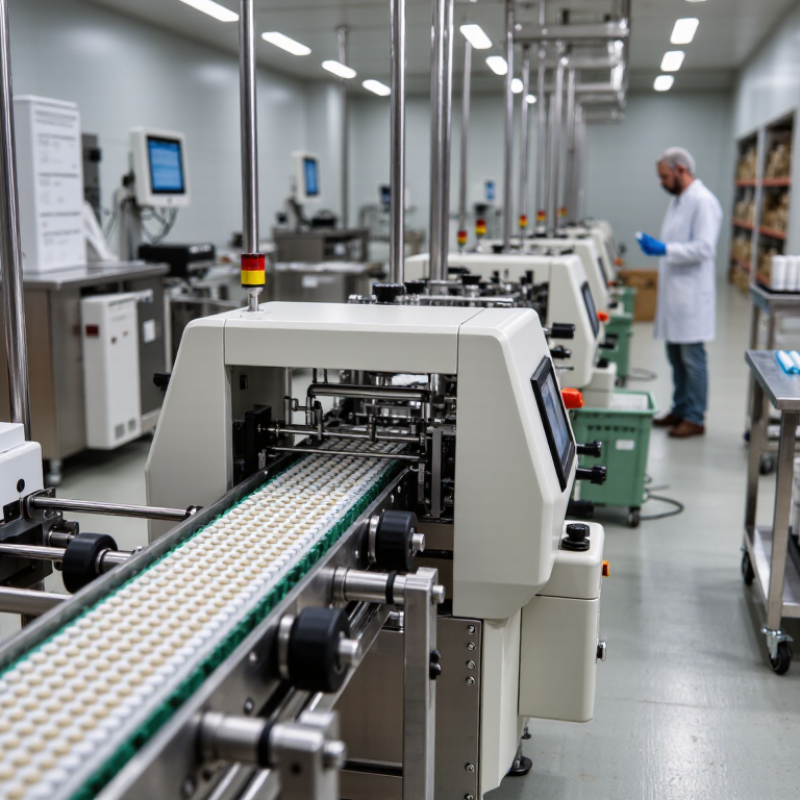
Effervescent tablets dissolve in water and release carbon dioxide through an acid–bicarbonate reaction. The fizz helps disperse active ingredients evenly and can make large tablets easier to take. Grand View Research reported continued growth in the global effervescent tablet market, supported by demand for convenient nutritional and pharmaceutical formats. Market growth alone, however, does not prove manufacturing quality.
Manufacturing starts with moisture-sensitive powders, such as organic acids, bicarbonates, sweeteners, and active ingredients. Operators usually control humidity during weighing, blending, granulation, and compression. The weak point? Moisture. Even small exposure can trigger premature reactions, causing swelling, soft tablets, or poor dissolution. Many facilities therefore use dehumidified rooms, validated cleaning procedures, and tightly sealed transfer containers.
After compression, tablets undergo checks for weight, hardness, friability, disintegration, and dissolution. Packaging also matters. Moisture-barrier tubes, sachets, or blister systems may include desiccants, depending on the formula. The European Pharmacopoeia provides recognized quality expectations for dosage-form testing, while WHO quality-assurance guidance emphasizes documented procedures and batch traceability. A reliable manufacturer should show stability data, validated processes, and clear deviation records. That sounds simple, but it is not. Some producers still focus heavily on appearance and underreport handling risks. Buyers should examine humidity controls, laboratory results, and real-time stability evidence before selecting a 2026 manufacturing partner.
The best effervescent tablet manufacturers in 2026 will be defined by measurable quality, not attractive claims. WHO’s 2017 report estimated that one in ten medical products in low- and middle-income countries is substandard or falsified. That warning makes supplier qualification essential. Manufacturers should follow current GMP principles, ICH Q9(R1) risk management, and ICH Q10 pharmaceutical quality systems. They also need validated cleaning, controlled humidity, and documented batch release procedures.
Moisture control deserves special attention. Effervescent tablets can react prematurely when packaging, storage, or production air is poorly controlled. Experienced facilities monitor water activity, compression force, dissolution time, and carbon dioxide release. A reliable batch record should show raw-material identity, equipment status, operator checks, and laboratory results. Electronic audit trails must remain reviewable. Data integrity is not a decorative certificate.
It is operational discipline.
IQVIA Institute’s 2024 Global Use of Medicines report projected global medicine spending could reach 2.3 trillion dollars by 2028. Higher demand may pressure manufacturers to accelerate production. Quality systems must prevent that pressure from weakening testing or investigations. Independent stability studies, traceable calibration, and transparent deviation reports reveal a manufacturer’s real maturity. No standard is perfect. Auditors should still question unexplained results, repeated environmental excursions, and unusually smooth records. Those uncomfortable questions often separate a compliant facility from a dependable one.
Comparing Leading Effervescent Tablet Manufacturers
Choosing the best manufacturer requires more than checking price or production volume. Grand View Research’s 2024 market analysis projects roughly 8% annual growth for effervescent tablets through 2030. This growth increases supplier choices, but quality differences remain significant. Request GMP certificates, recent audit findings, and complete batch records. Confirm whether the facility controls humidity, because moisture can trigger premature fizzing and tablet softening.
Evaluate formulation experience, not just machinery. Ask for dissolution data, stability results, microbial controls, and packaging validation. ICH Q1A(R2) recommends stability testing under defined temperature and humidity conditions. The World Health Organization also emphasizes documented process control and traceability in its GMP guidance. A reliable supplier should provide certificates of analysis, retained samples, deviation reports, and clear corrective actions. Vague answers deserve caution.
Tips: Compare three sample batches under identical conditions. Check tablet weight, dissolution time, carbon dioxide release, taste, and packaging integrity. Review lead times against your launch schedule. Capacity claims can be optimistic. I still prefer verified output over impressive factory tours. Also inspect secondary packaging and shipping controls. A strong product can fail after leaving the plant. Market reports use different methods, so their forecasts are not perfect. Your audit evidence should carry more weight than a glossy presentation.
| Comparison Dimension | What to Verify | Applicable Standard or Test Basis | Practical Comparison Point | Priority |
|---|---|---|---|---|
| Pharmaceutical Quality System | Confirm documented procedures for change control, deviation management, CAPA, complaints, investigations, and batch release. | FDA 21 CFR Parts 210 and 211; EU GMP principles. | Prefer a manufacturer that can provide current audit evidence, controlled records, and a clear quality agreement before production. | High |
| Manufacturing Authorization and Inspection History | Check the applicable manufacturing license, product scope, inspection status, and whether the facility is authorized for the intended dosage form. | Requirements depend on the manufacturing and target-market jurisdictions. | The authorization should cover tablet manufacturing, packaging, testing, and any regulated ingredients used in the project. | High |
| Effervescent Formulation Expertise | Assess experience with acid–carbonate or acid–bicarbonate systems, hygroscopic ingredients, flavoring, sweeteners, and active ingredients sensitive to moisture. | Product-specific development protocol and risk assessment. | Strong technical teams should explain moisture risks, compatibility, granulation or direct-compression options, and expected carbon-dioxide release behavior. | High |
| Moisture Control | Review room humidity controls, raw-material handling, in-process exposure limits, drying controls, and moisture testing methods. | GMP environmental controls; validated water-content or loss-on-drying method. | Compare documented humidity limits and trend data rather than accepting a generic “low-humidity” statement. Limits should be justified by formulation stability data. | High |
| Disintegration and Dissolution Performance | Request validated test methods for effervescence time, disintegration, dissolution, solution clarity, and final-solution appearance. | The European Pharmacopoeia effervescent-tablet disintegration test uses 200 mL of water at 15–25°C and requires complete disintegration within 5 minutes, where applicable. | Compare results against the approved product specification. Do not use a universal performance target when the dosage form or active ingredient requires a different specification. | High |
| Assay and Content Uniformity | Evaluate validated analytical methods, blend uniformity, tablet weight control, assay results, and dosage-unit uniformity. | Applicable pharmacopoeial requirements, approved product specification, and validated analytical procedures. | Select a partner that can demonstrate method validation, representative batch data, out-of-specification procedures, and laboratory data integrity controls. | High |
| Packaging and Moisture Barrier | Compare tube, blister, or sachet systems; desiccant options; closure integrity; moisture ingress protection; and compatibility with the tablet. | Packaging qualification, container-closure integrity testing, and stability studies. | The package should be selected from measured moisture-protection performance and stability data, not only from appearance or nominal material type. | High |
| Stability Program | Review accelerated and long-term stability protocols, sampling intervals, storage conditions, test parameters, and proposed shelf-life justification. | ICH Q1A(R2) principles, together with applicable regional requirements. | Compare whether stability testing covers assay, degradation products, moisture, hardness, effervescence time, appearance, and package performance. | High |
| Scale-Up and Process Validation | Confirm pilot-batch capability, commercial-scale equipment, process parameters, critical quality attributes, and validation strategy. | GMP process-validation principles and product-specific development knowledge. | A capable manufacturer should explain how laboratory findings will be transferred to production without unacceptable changes in hardness, friability, weight, dissolution, or effervescence. | High |
| Raw-Material and Supplier Controls | Check qualification of active ingredients, acids, carbonates, excipients, flavors, colors, packaging materials, and alternative suppliers. | GMP supplier qualification, incoming-material testing, and approved-supplier procedures. | Compare material specifications, certificates of analysis, identity testing, allergen declarations, traceability, and controls for material substitutions. | High |
| Packaging and Label Compliance | Review line-clearance procedures, print control, barcode verification, batch coding, leaflet control, and market-specific label review. | Applicable labeling, packaging, serialization, and traceability rules in the target market. | Prefer documented reconciliation of printed components and a controlled approval process for artwork and regulatory text. | Medium |
| Batch Size and Delivery Capability | Compare minimum order quantity, development-batch size, commercial capacity, lead time, equipment availability, and contingency planning. | Capacity plan, production schedule, and supply agreement. | A suitable manufacturer should provide separate timelines for formulation development, analytical testing, pilot production, stability initiation, packaging, and release. | Medium |
| Technical Documentation and Data Integrity | Assess electronic and paper records, audit trails, laboratory notebooks, raw data retention, certificate-of-analysis format, and document change control. | ALCOA+ data-integrity principles and applicable GMP requirements. | All reported results should be attributable, legible, contemporaneous, original or a true copy, accurate, complete, consistent, enduring, and available. | High |
| Cost Transparency | Separate development, tooling, analytical testing, stability, packaging, production, release testing, freight, and regulatory-support costs. | Commercial quotation and quality or technical agreement. | Compare total cost of ownership rather than tablet price alone, including packaging requirements, rejected batches, testing, storage, and change-control fees. | Medium |
| Sustainability and Operational Efficiency | Review energy use, packaging-material choices, waste controls, solvent use, water management, and environmental reporting. | Site environmental-management procedures and customer-specific sustainability requirements. | Compare measurable data such as packaging weight, recycled-content availability, waste-reduction initiatives, and documented environmental objectives. | Standard |
Effervescent tablet quality depends heavily on moisture control. Even small humidity changes can trigger premature reactions, swelling, or weaker tablets. Modern facilities therefore use dehumidified rooms, sealed transfer systems, and moisture-resistant raw-material containers. In my experience, humidity control often matters more than faster compression.
Near-infrared spectroscopy can monitor blend uniformity without destroying samples. Automated weight control also reduces tablet-to-tablet variation during compression. Particle-size engineering improves acid and carbonate distribution, while optimized granulation supports faster dissolution.
Packaging technology remains critical. Aluminum-based barrier strips, tight tube closures, and desiccants help protect tablets during transport and storage. ICH Q1A(R2) recommends accelerated stability testing at 40°C and 75% relative humidity for six months. This condition quickly exposes weak moisture barriers. USP General Chapter <1216> also identifies approximately 1.0% weight loss as a common friability limit for tablets. These benchmarks are useful, but they do not replace product-specific testing.
Tips: Ask manufacturers for moisture-sorption data, dissolution profiles, and stability results from multiple batches. Check whether sensors are calibrated and whether packaging is tested after opening. Do not trust appearance alone. A tablet can look perfect while losing effervescence strength. One limitation remains: laboratory results may not predict every climate or consumer handling habit. That gap deserves more practical testing.
Choosing an effervescent tablet manufacturer requires more than comparing quoted prices. Grand View Research’s 2024 analysis estimates the global market at about USD 25.6 billion in 2023, with growth near 7.5% annually through 2030. Future Market Insights reports a different forecast, showing why market figures need careful interpretation. Forecasts are not guarantees. Demand alone does not prove production capability.
Assess the manufacturer’s technical controls. Ask for recent batch records, stability data, dissolution results, and validated cleaning procedures. Effervescent products can react badly to moisture. The facility should control humidity during blending, compression, and packaging.
Check whether it has experience with desiccants, moisture barriers, tube sealing, and dosage uniformity. Review its quality system against WHO GMP principles and relevant ICH guidance.
Independent laboratory testing adds credibility. A polished brochure is not evidence.
Tips:
Request a small pilot batch before signing a large contract. Compare three samples under identical storage conditions. Measure dissolution time, tablet hardness, taste, and packaging integrity. Confirm minimum order quantities, lead times, change-control rules, and deviation handling in writing. Ask who owns the formulation and test data. Be cautious when a supplier promises unusually fast approval. That promise may reflect confidence, or weak review. One practical warning remains: the cheapest quotation can become expensive after failed stability testing, rejected packaging, or repeated production adjustments.
It should follow current GMP principles and risk-based quality procedures. Documented batch release, validated cleaning, and controlled humidity are essential. No certificate proves everything.
Moisture can trigger premature reactions, swelling, or weaker tablets. Facilities should control humidity during blending, compression, and packaging. Small changes matter.
Request batch records showing raw-material identity, equipment status, operator checks, and laboratory results. Electronic audit trails should remain reviewable. Missing details deserve questions.
Near-infrared testing can check blend uniformity without destroying samples. Automated weight control reduces tablet variation during compression. Particle-size control also improves ingredient distribution.
Moisture-resistant containers, tight closures, barrier strips, and desiccants can improve protection. Packaging should be tested after opening. Real storage conditions may be harsher.
Ask for stability results from multiple batches and different storage conditions. Dissolution time, moisture uptake, hardness, and carbon dioxide release are useful measurements. One test is not enough.
Compare technical controls, recent batch data, cleaning validation, and independent laboratory results. Do not rely on brochures or low prices. A small pilot batch can reveal problems.
Confirm minimum order quantities, lead times, change-control rules, and deviation handling in writing. Clarify ownership of the formulation and test data. Fast approval sounds convenient, but it may hide weak review.
This guide explains what effervescent tablets are and how they are manufactured, focusing on the controlled combination of active ingredients, acids, and alkaline compounds that create a rapid-dissolving beverage. It examines the production stages, including material preparation, blending, compression, moisture control, packaging, and quality testing. The article also outlines the quality standards that define leading manufacturers in 2026, such as consistent dosage, tablet strength, dissolution performance, microbiological safety, traceability, and reliable quality management systems.
Readers will learn how to compare Effervescent Tablet Manufacturing partners by reviewing their facilities, technical expertise, production capacity, testing procedures, and documentation practices. The discussion also highlights technologies that improve tablet stability, including humidity-controlled environments, advanced formulation methods, protective packaging, and automated process monitoring. Finally, the guide provides practical criteria for selecting a suitable manufacturer based on product requirements, target market, batch size, development support, regulatory expectations, and long-term supply reliability.